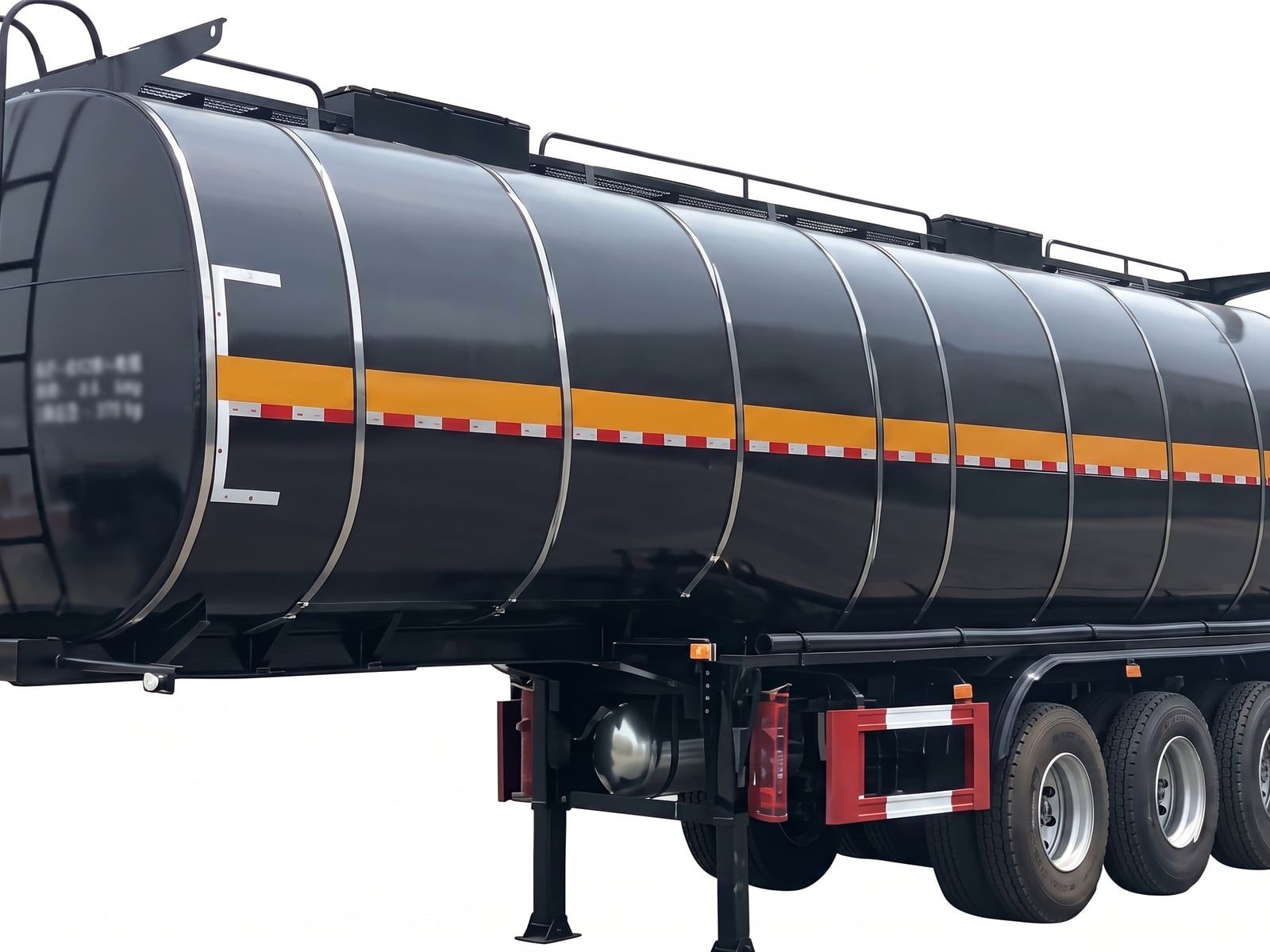
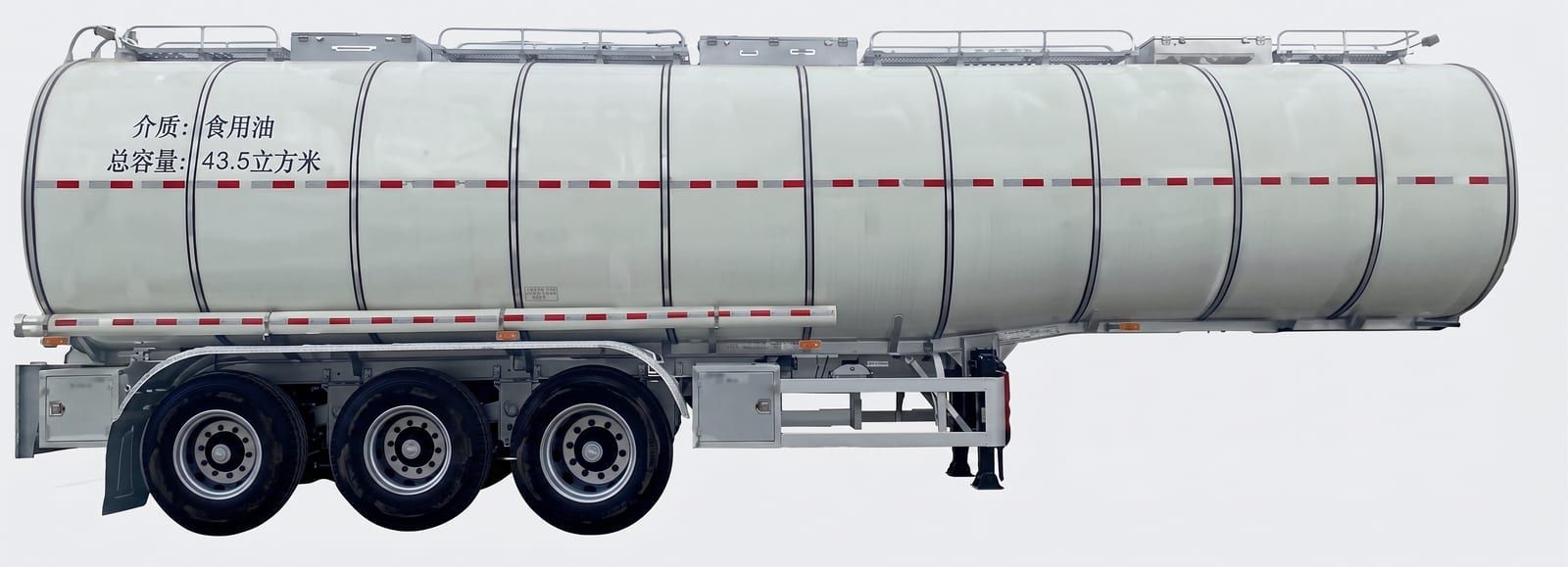
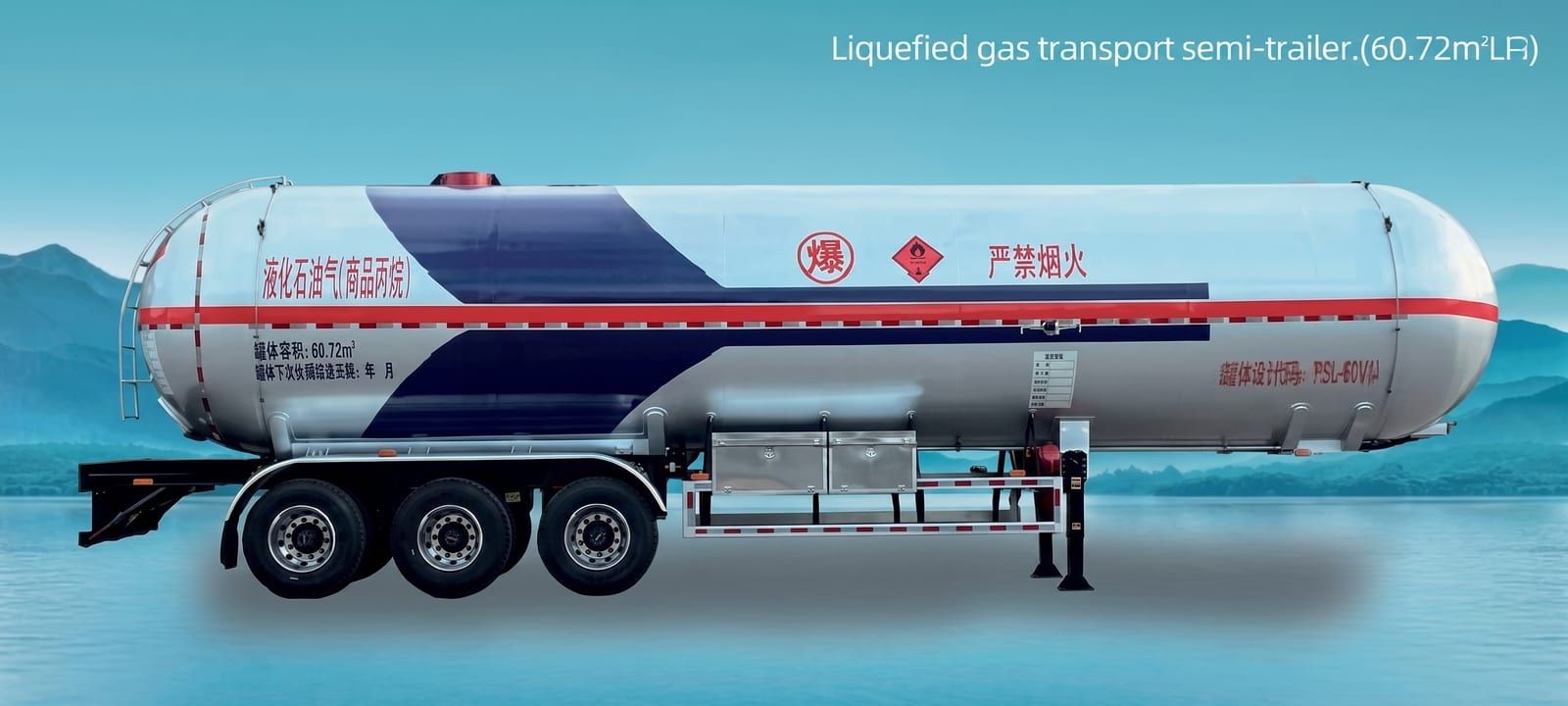
Low-temperature liquid · Tankers
Low-Temperature Liquid Transport Semi-Trailer
Two builds, two gases, two sizes. Liquefied natural gas at 52.6 m³, liquefied petroleum gas at 60.72 m³, on a 13 m chassis.
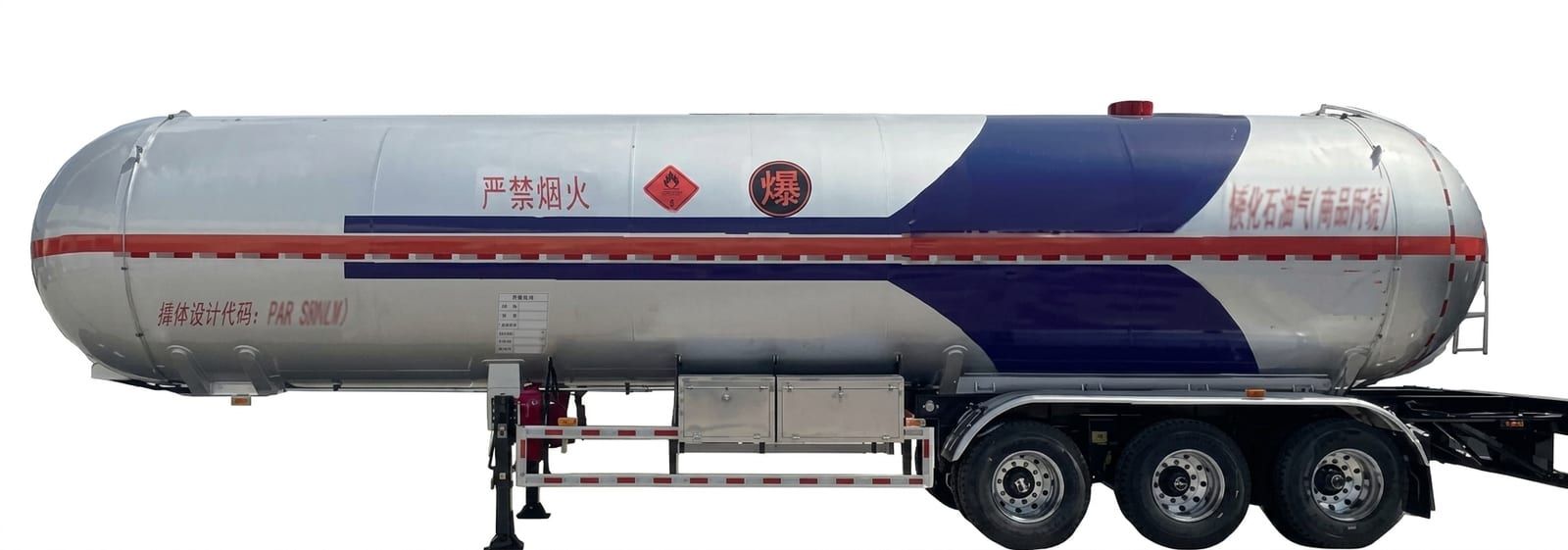
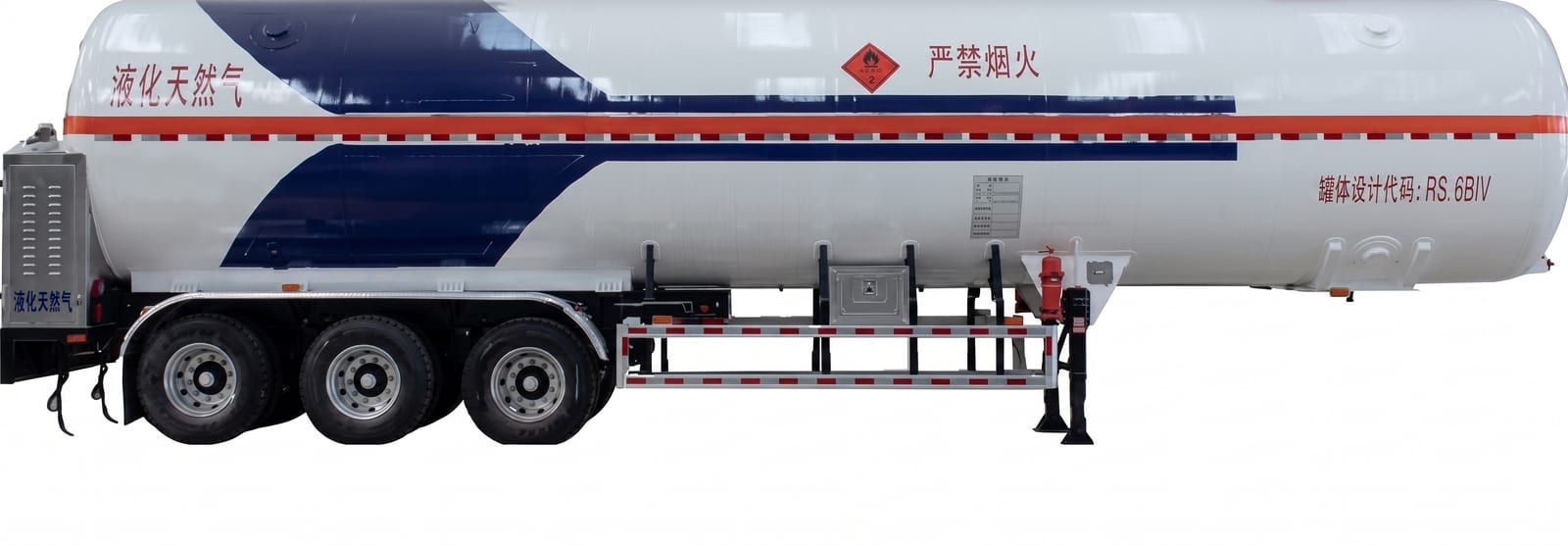
What this tanker is
A cryogenic tanker semi-trailer, manufactured in our own factory, for low-temperature liquefied gas. It comes in two builds, and they are separate machines rather than options on one:
JGY9380GDY, for liquefied natural gas. 52.6 m³. Overall 13.06 by 2.55 by 3.95 m, on a 7,000 plus 1,310 plus 1,310 mm wheelbase.
JGY9400GY, for liquefied petroleum gas. 60.72 m³. Overall 13.40 by 2.55 by 4.00 m, on a 6,960 plus 1,310 plus 1,310 mm wheelbase.
What it is used for
Haulage and fuel distribution, at the industrial end of both. Moving LNG from an import terminal or a liquefaction plant to a satellite station, a power plant or an industrial user. Moving bulk LPG from a coastal terminal to inland filling plants and bottling depots. Supplying mines, cement works and independent power producers that have converted from diesel to gas.
This is not a general-purpose trailer and it is not bought by a general haulier. It is bought by gas companies, by terminal operators and by the specialist hauliers who serve them under contract.
Why cryogenic rather than pressurised
We build both kinds and the distinction decides which page you should be on.
A cryogenic tank, which is this one, keeps the gas liquid by keeping it very cold, at a low pressure, inside heavy vacuum insulation. It is how LNG moves, because natural gas cannot be liquefied by pressure alone at ambient temperature. The engineering is in the insulation and in managing boil-off.
A pressure tank, which is our separate LPG trailer, keeps the gas liquid by holding it under pressure at ambient temperature: designed to 1.76 MPa with a minus 40 to plus 50 degree design range. The engineering is in the shell.
Two consequences follow. The first is that the choice is made by your product and your terminal’s loading arrangement, not by which is cheaper. The second is that a cryogenic tank has a hold time: it is not indefinite storage, and the route length and the number of days between loading and discharge are part of the specification conversation.
Condition and what we do before it ships
New build, out of our own workshop, and the build is named on the specification sheet and on the Proforma Invoice before any deposit.
There is one honest point that belongs here rather than in a later conversation. Cryogenic and pressure vessels are regulated to a different standard from anything else that moves on a road, and that regulation is your country’s, not ours. Inspection regimes, plate markings, valve arrangements and periodic testing all vary. We will build to a documented requirement and we will tell you where we cannot. What we will not do is assure you that a tank clears a rule neither of us has read.
Shipping it, and what the volume means
Shipping volume depends on which build you take. The LNG trailer is 13.06 by 2.55 by 3.95 m and the LPG trailer is 13.40 by 2.55 by 4.00 m, so both are long and both are tall, and sea freight is charged on that rather than on the tare weight.
Tell us the build and we will quote the volume and the freight to your port together. Loaded at our yard in Tangshan, shipped through Tianjin Port.
What to tell us
The gas, the volume you move and the length of the route. Your loading terminal and its arrangement. What your national authority requires on certification and inspection. Your destination port and the quantity.
Questions buyers ask about this machine
What is the difference between the two builds?
The LNG build is 52.6 m³ on a 13.06 by 2.55 by 3.95 m chassis with a 7,000 plus 1,310 plus 1,310 mm wheelbase. The LPG build is 60.72 m³ on a 13.40 by 2.55 by 4.00 m chassis with a 6,960 plus 1,310 plus 1,310 mm wheelbase. They are built for different products and are not interchangeable.
How is this different from the LPG tanker you also list?
This is a cryogenic tank: it holds the gas as a very cold liquid at low pressure. The separate LPG trailer is a pressure vessel: it holds the gas as a liquid at ambient temperature under pressure, designed to 1.76 MPa. Which one you need is decided by your product and your terminal, not by capacity.
What certification does it need where I am?
Pressure vessels and cryogenic tanks are among the most heavily regulated things that move on a road, and the rules are set by your country and enforced on arrival. We will not guess at them from here. Tell us what your authority requires and we will tell you plainly what we can build to and what we cannot.
Can you supply the tractor unit for it?
Yes. A tanker of this size wants a 6×4 prime mover with the towing capacity to match, and we sell several. Ask us to price the pair, because shipping them on one booking is usually better than two.
What this tanker is used for
Full specification
Only what the catalogue actually prints. A row that is not here is a figure we do not have yet. Ask, and we confirm it against the machine in our yard rather than guess at it.
- Capacity
- 52.6–60.72 m³, by build
Worth knowing
Cryogenic tanks. JGY9380GDY for liquefied natural gas, 52.6 m³, 13.06 × 2.55 × 3.95 m, wheelbase 7,000 + 1,310 + 1,310 mm. JGY9400GY for liquefied petroleum gas, 60.72 m³, 13.40 × 2.55 × 4.00 m, wheelbase 6,960 + 1,310 + 1,310 mm.