Liquefied gas (LPG) · Tankers
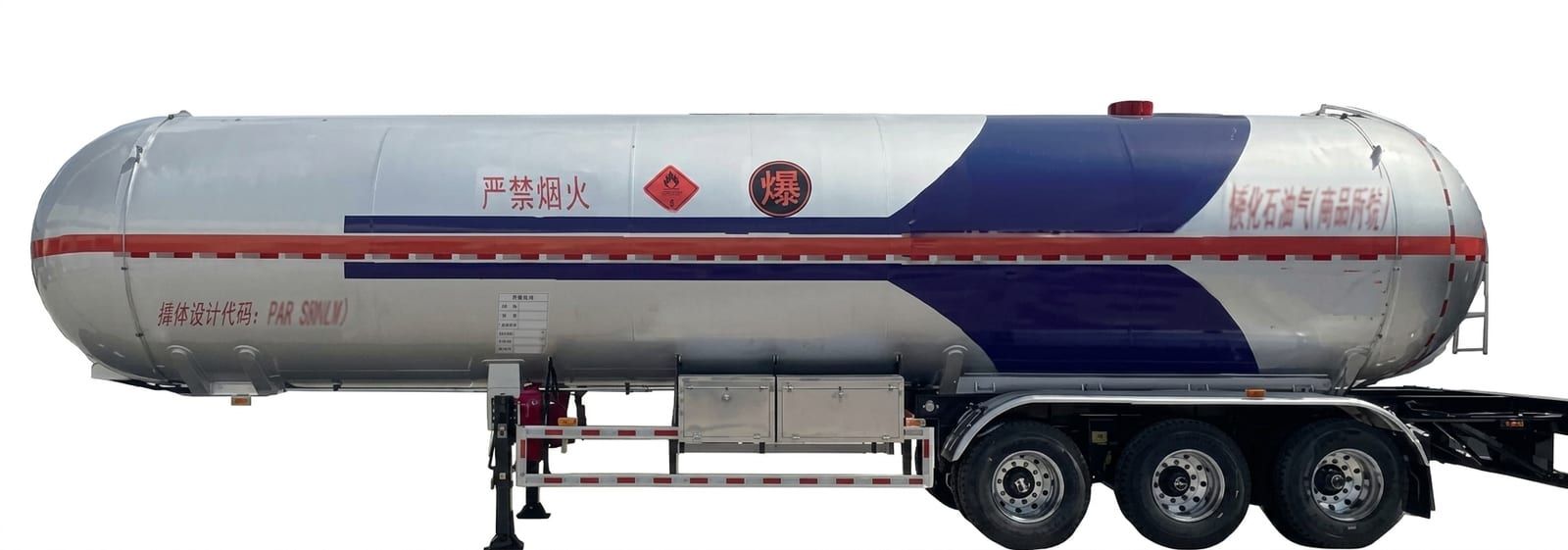
Liquefied Gas Transport Semi-Trailer
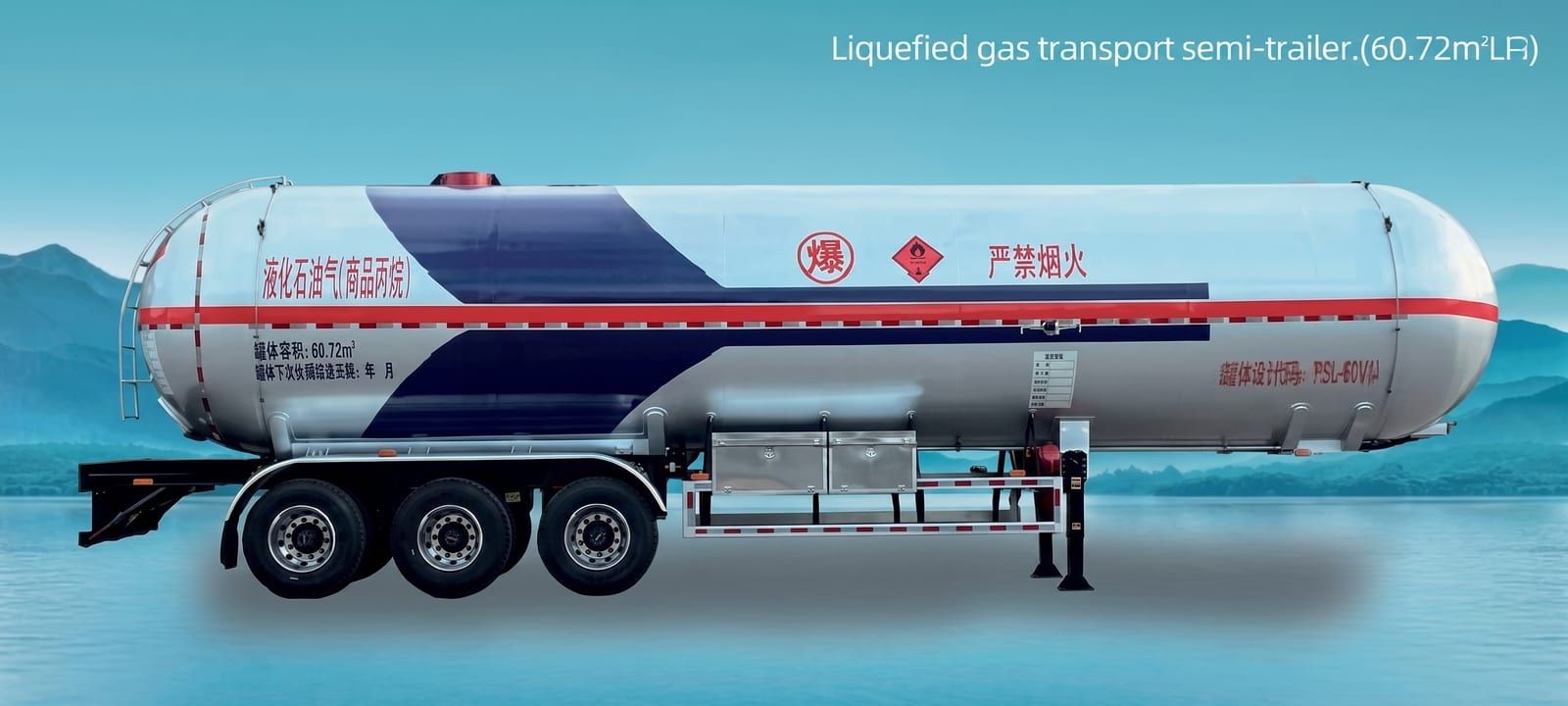
A pressure vessel on wheels. Q420DR shell, designed to 1.76 MPa, carrying 25.5 tonnes of liquefied petroleum gas behind a 6×4 prime mover.
What this tanker is
An LPG road tanker semi-trailer, manufactured in our own factory. It is a pressure vessel: the gas is held as a liquid at ambient temperature by the pressure inside the shell rather than by refrigeration.
The shell is Q420DR, a low-temperature pressure-vessel steel. Design pressure is 1.76 MPa, with minus 0.04 MPa on the vacuum side, over a design temperature range of minus 40 to plus 50 degrees Celsius. Gross weight is 40,000 kg and payload is 25,502 kg. Overall it is 13.40 by 2.55 by 4.00 m. The saddle sits at 1,240 mm with a saddle load of 1,600 kg, and the whole trailer is designed to run behind a 6×4 tractor unit.
What it is used for
Fuel distribution and haulage. Moving bulk LPG from a coastal import terminal or a refinery to inland filling plants, bottling depots and industrial users. Supplying autogas stations. Feeding cement works, glass plants, food processors and any industrial burner that has moved off diesel.
Across West and Central Africa the LPG trade is expanding with domestic cooking gas programmes, and the trailer that moves the product inland from the terminal is the constraint in most of those supply chains.
Why the numbers on this page matter more than usual
On most trailers the specification is a guide. On a pressure vessel it is the product, and three figures decide whether it is the right one.
Design pressure, 1.76 MPa. This is what the shell is engineered to hold and it is what your regulator will read first. It is not a marketing number and it is not adjustable after the fact.
Design temperature, minus 40 to plus 50. The lower end is about the steel rather than about your climate: Q420DR is specified for low-temperature service so the shell does not become brittle under the conditions a liquefied gas creates inside it. The upper end is about yours.
Payload, 25,502 kg at 40,000 kg gross. Note that the useful load is about 64% of the gross. A pressure vessel is heavy because it has to be, and any trailer offering you a dramatically better ratio is worth asking hard questions about.
The saddle height of 1,240 mm is the fourth number, and it is the one most often overlooked. Check it against the fifth wheel on the prime mover you intend to use.
Condition and what we do before it ships
New build, out of our own workshop. The shell specification is what the Proforma Invoice describes and it is agreed in writing before any deposit.
The same honest point applies here as to our cryogenic trailer: pressure vessels are regulated by the country importing them, and the inspection regime, the plate markings, the valve arrangement and the periodic testing all vary. Send us your authority’s requirement and we will tell you plainly what we can build to. What we will not do is assure you a tank clears a rule neither of us has read.
Shipping it, and what the volume means
At 13.40 by 2.55 by 4.00 m this is one of the largest single items in our catalogue by the box it occupies on a vessel, and sea freight is charged on that box rather than on the tare weight. It is worth quoting the freight before you commit to a quantity, because two of these is a meaningful shipment on its own.
Loaded at our yard in Tangshan, shipped through Tianjin Port.
What to tell us
Your product, your volumes and your terminal’s loading arrangement. What your national authority requires on pressure-vessel certification. The prime mover you will use, or whether you need one from us. Your destination port and the quantity.
Questions buyers ask about this machine
What are the actual pressure figures?
Design pressure 1.76 MPa, with minus 0.04 MPa on the vacuum side. Design temperature range minus 40 to plus 50 degrees Celsius. Shell material Q420DR, which is a low-temperature pressure-vessel steel. Saddle height 1,240 mm and saddle load 1,600 kg.
What tractor unit does it need?
It is designed for a 6×4 prime mover. Gross weight is 40,000 kg with a payload of 25,502 kg, so you want a tractor unit rated at 40 t towing, which is what every 6×4 in our range carries. The saddle height is 1,240 mm, so check your fifth wheel against that before you order.
How is it different from your cryogenic trailer?
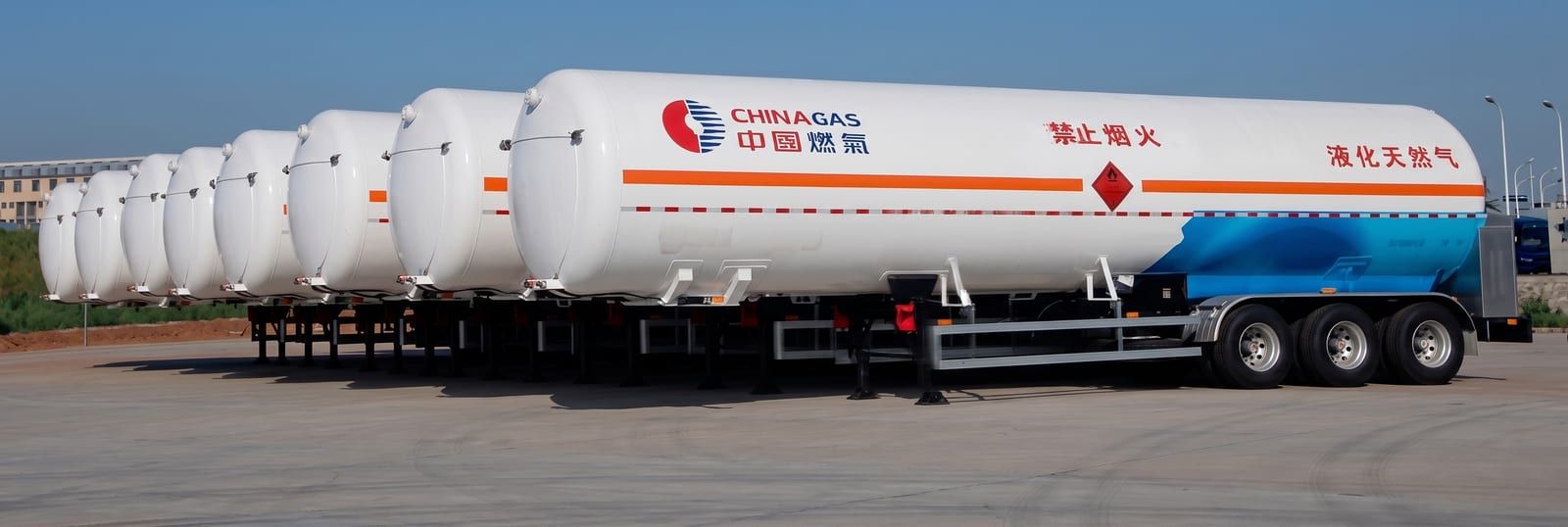
This one holds the gas liquid under pressure at ambient temperature. The cryogenic trailer holds it liquid by keeping it very cold at low pressure, and that is what LNG requires. For LPG specifically, both exist and the choice is set by your terminal's loading arrangement and by your regulator.
What approvals will I need at my end?
Pressure vessels are regulated by the importing country and enforced on arrival, and the requirements differ between them. Send us what your authority asks for, in writing, and we will tell you what we can build to and what we cannot. We will not tell you it clears a rule we have not seen.
What this tanker is used for
Full specification
Only what the catalogue actually prints. A row that is not here is a figure we do not have yet. Ask, and we confirm it against the machine in our yard rather than guess at it.
- Overall dimensions
- 13.40 × 2.55 × 4.00 m
- Payload
- 25,502 kg
- Machine weight
- 40,000 kg
Worth knowing
LPG. Shell material Q420DR · design pressure 1.76 / −0.04 MPa · design temperature −40 / 50 °C · saddle height 1,240 mm · saddle load 1,600 kg. Designed for a 6×4 tractor unit.
Other tankers
All tankers
Low-temperature liquid
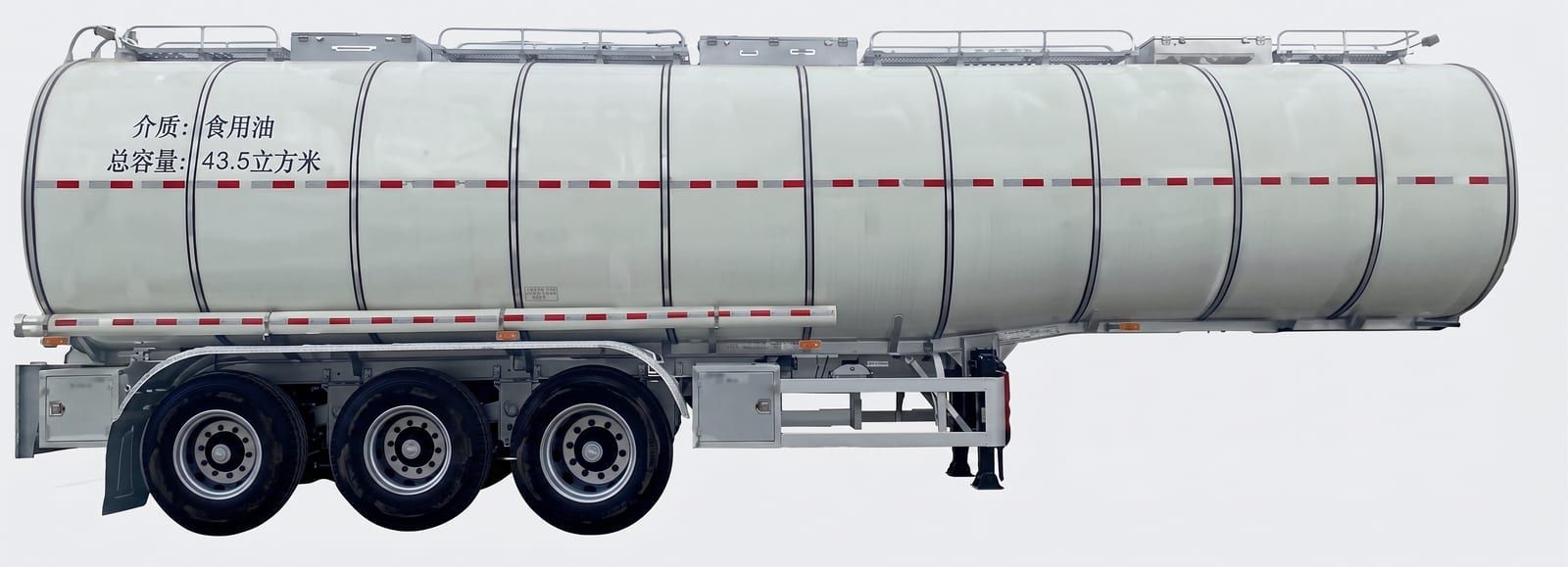
Low-Temperature Liquid Transport Semi-Trailer
- Capacity
- 52.6–60.72 m³, by build