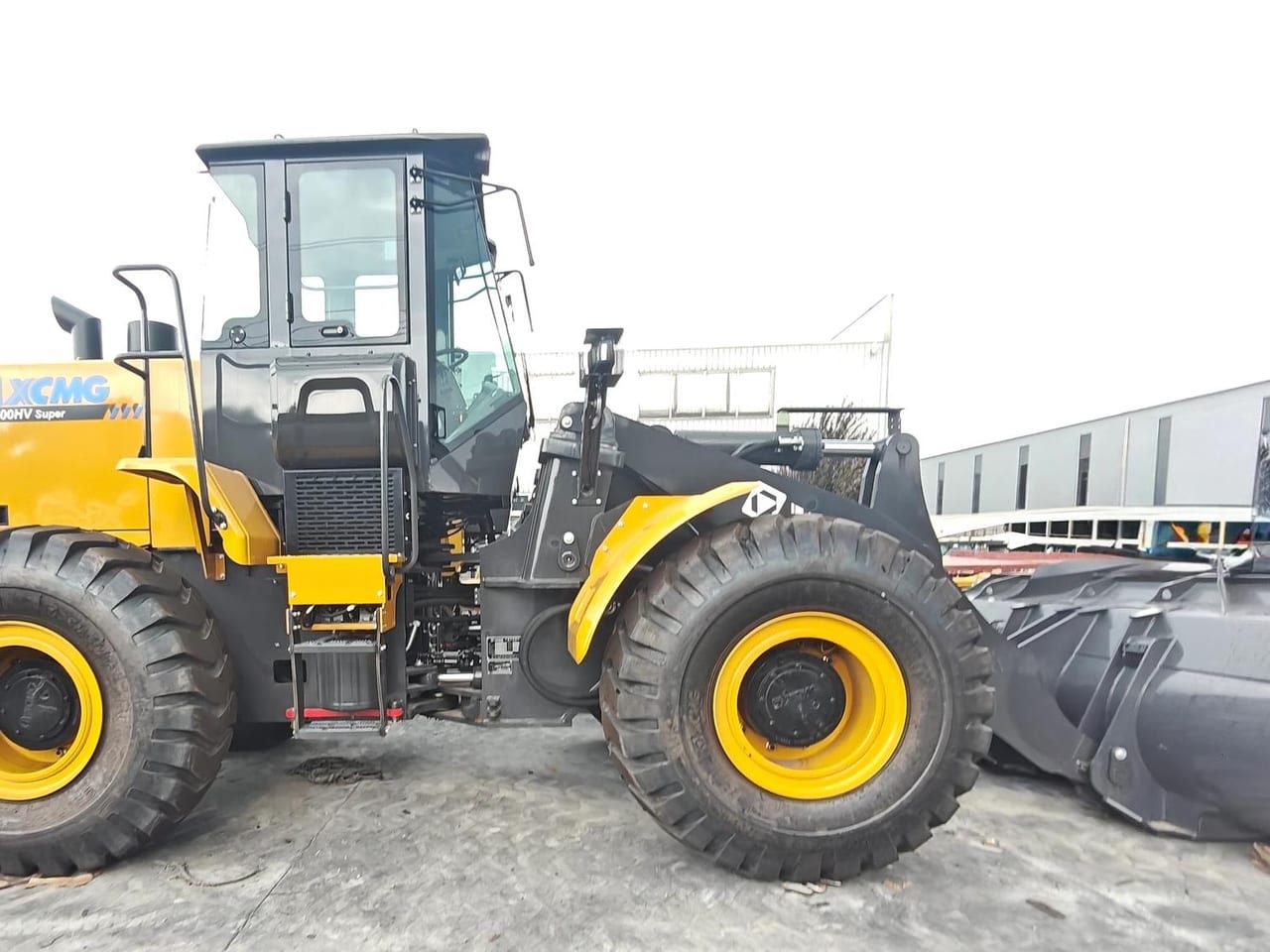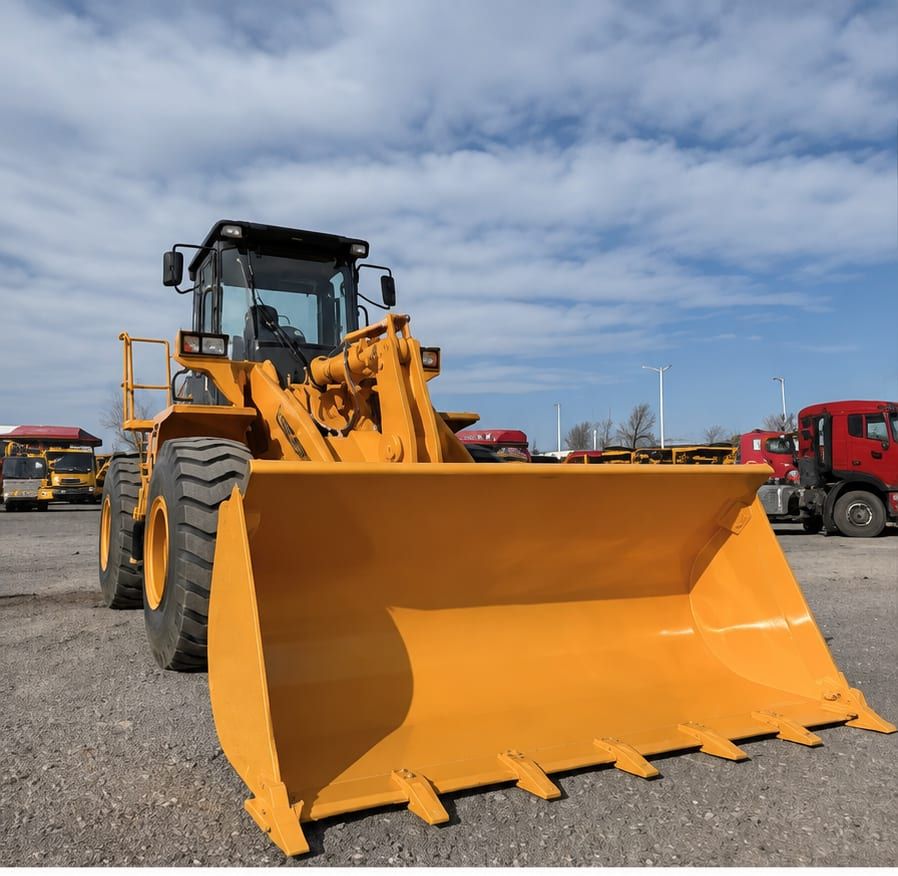
Wheel loader
Wheel Loader 17 t, Weichai 180
- Power
- 180 hp
- Handles
- 17 t machine
- Shipping volume
- 55 m³(calculated)
XCMG · Wheel loaders
Three tonnes, 1.8 m³ and a machine that goes anywhere on site. The loader a small contractor runs every single day.
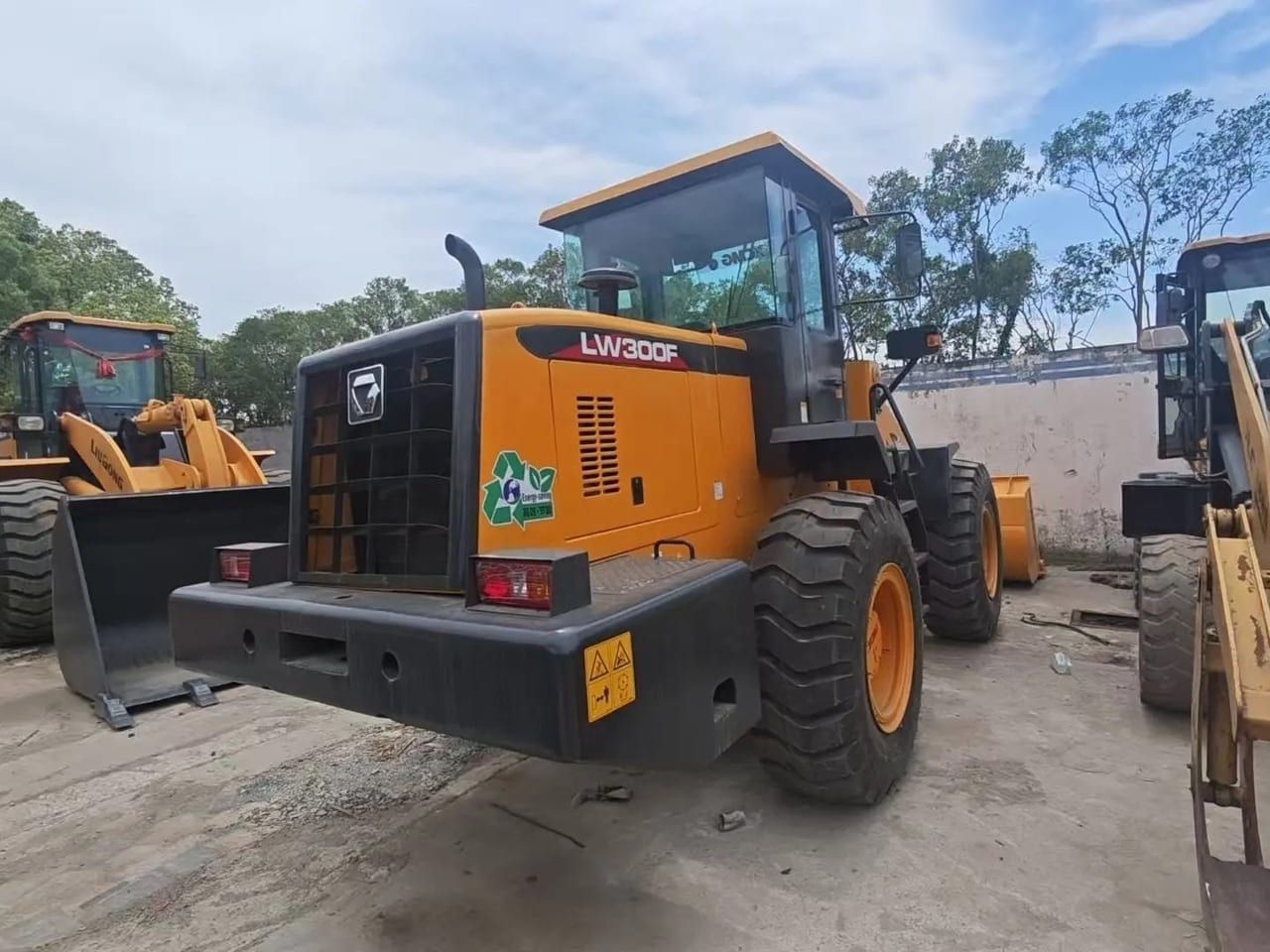
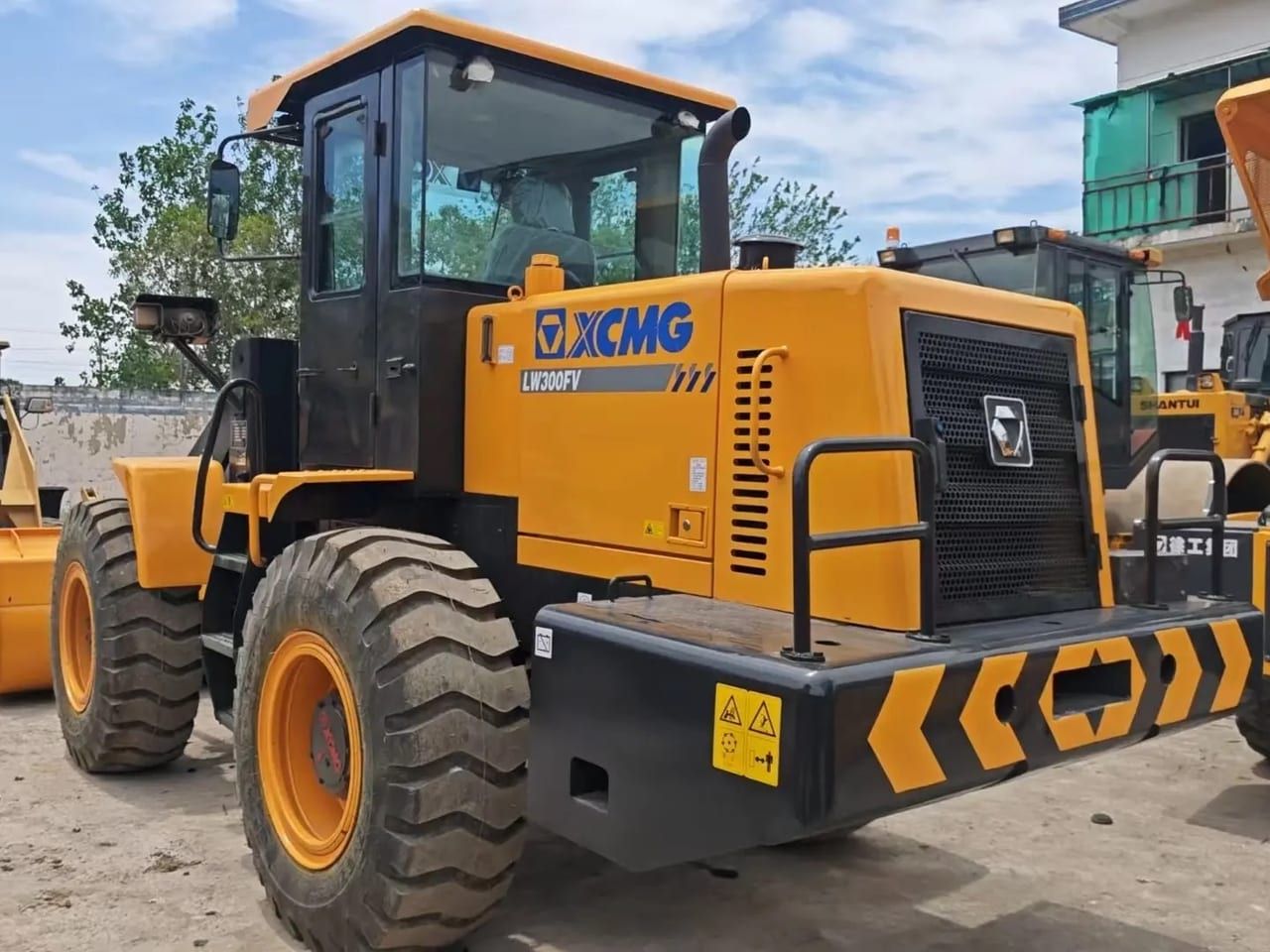
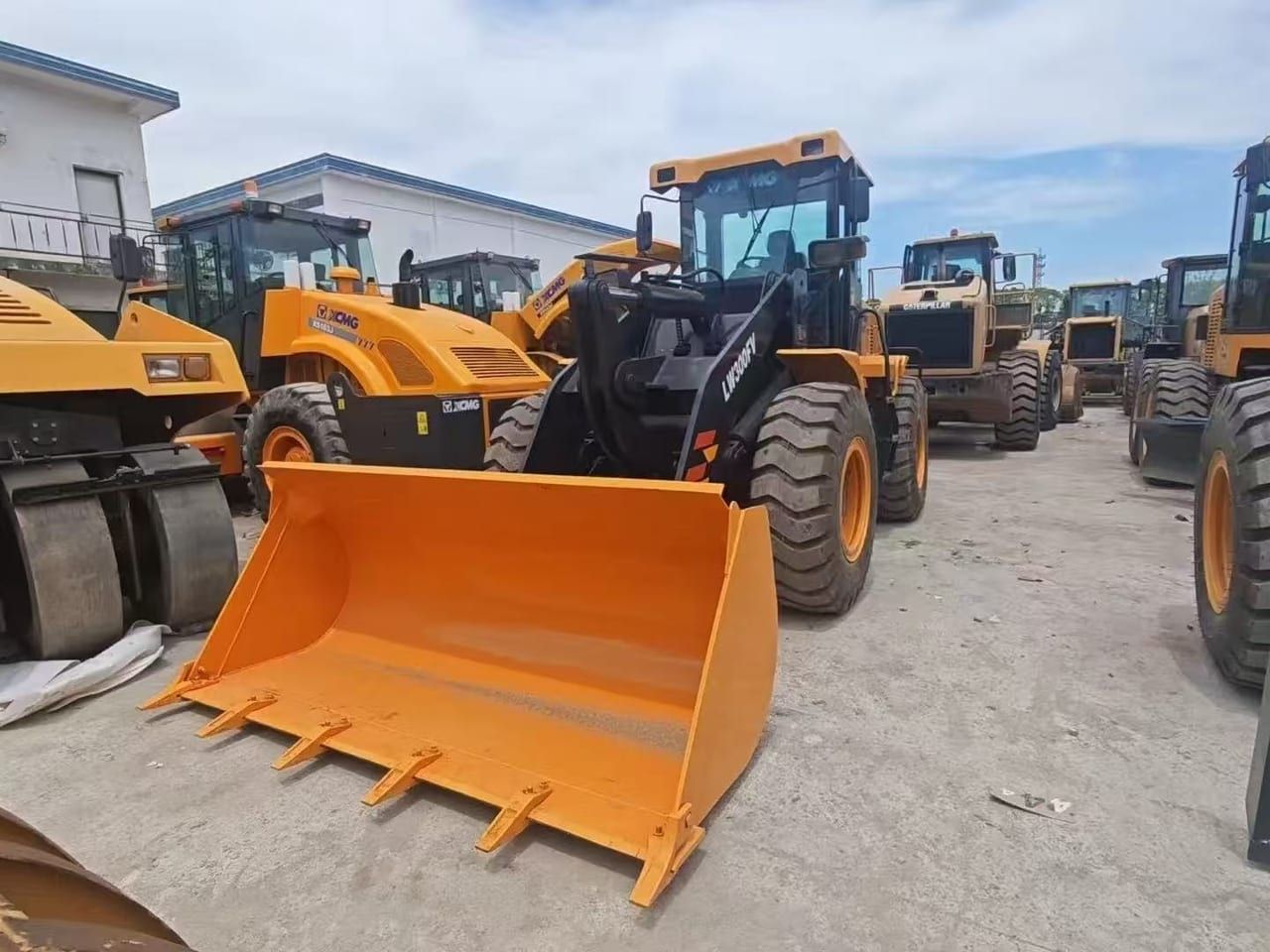
An XCMG LW300FV wheel loader with a 3,000 kg rated load and a 1.8 m³ bucket. Operating weight is 10,600 kg (± 200 kg).
When the bucket tips it clears 2930 mm, and at full lift it reaches 1010 mm forward. It pulls with 95 kN of traction force.
Building sites. Moving aggregate and sand to the mixer, backfilling, loading spoil, and clearing the site at the end of the job.
Farms and plantations. Moving feed, fertiliser, manure and harvested crop, and keeping farm roads clear.
Builders’ merchants and depots. Handling sand, stone and blocks around the yard and loading customers’ trucks.
Municipal work. Clearing drains, moving refuse and maintaining roads in town.
Not every operation needs a big machine. A contractor building houses, a farm, a block yard or a small depot needs a loader that does a little of everything, every day, and costs little to run. That is the 3-tonne class.
Size is the advantage. At 10.6 tonnes it turns in a tight yard, works between buildings, and moves on an ordinary low-bed or a large flatbed. A 5-tonne loader is quicker on a stockpile and clumsier everywhere else.
Check the dump clearance. The one figure a buyer of this loader must check is 2930 mm. That is how high the bucket clears when tipping, and it decides which trucks the loader can fill. For smaller tippers and farm trailers it is ample. For a high-sided 6×4 tipper, measure the body first. If the job is loading those all day, the LW500HV is the machine to look at.
Traction. 95 kN of pull lets the loader drive into a stockpile and come out with a full bucket, which is where a weak loader loses most of its time.
Through our own workshop before it loads, and photographed as it goes.
Tyres. On a loader of this size tyres are one of the largest running costs. Ask for photographs of the tread on all four.
The lift and tilt cylinders. Ask for a video of the bucket lifted fully and held. A bucket that drifts down has worn seals.
The brakes and the transmission. A loader works in a crowded yard, close to people and trucks. Both must be sound.
Loaded at our yard in Tangshan, shipped through Tianjin Port. We confirm the transport dimensions against the machine when we quote.
The work you do, the material you move, and the trucks or trailers you load and their side height. Your destination port and the quantity.
For general site, yard and farm work, yes. It moves sand, gravel, soil, fertiliser and feed, clears sites and loads small trucks. Where the work is loading a line of tippers all day, step up to the 5-tonne LW500HV.
It can load a small or medium truck. The dump clearance is 2930 mm, which is the height the bucket edge clears when tipped. Measure the side height of your truck body; if it is higher than about 2.9 m, a bigger loader is the right machine.
It is how hard the machine can push, 95 kN here. It decides how well the loader fills its bucket when driving into a pile. A loader with too little traction spins its wheels instead of filling the bucket.
The catalogue gives 10,600 kg plus or minus 200 kg. The operating weight changes slightly with the bucket and tyres fitted. We confirm the exact figure against the machine when you ask.
Only what the catalogue actually prints. A row that is not here is a figure we do not have yet. Ask, and we confirm it against the machine in our yard rather than guess at it.
Wheel loader