Backhoe loader · Backhoe loaders
LJ3CX-A Backhoe Loader
A loader at one end, a digger at the other, and 30 km/h on the road between jobs. Two machines for the price of moving one.
75–85 kW by engine (Yunnei 76 kW standard)
50 m³shipping volume
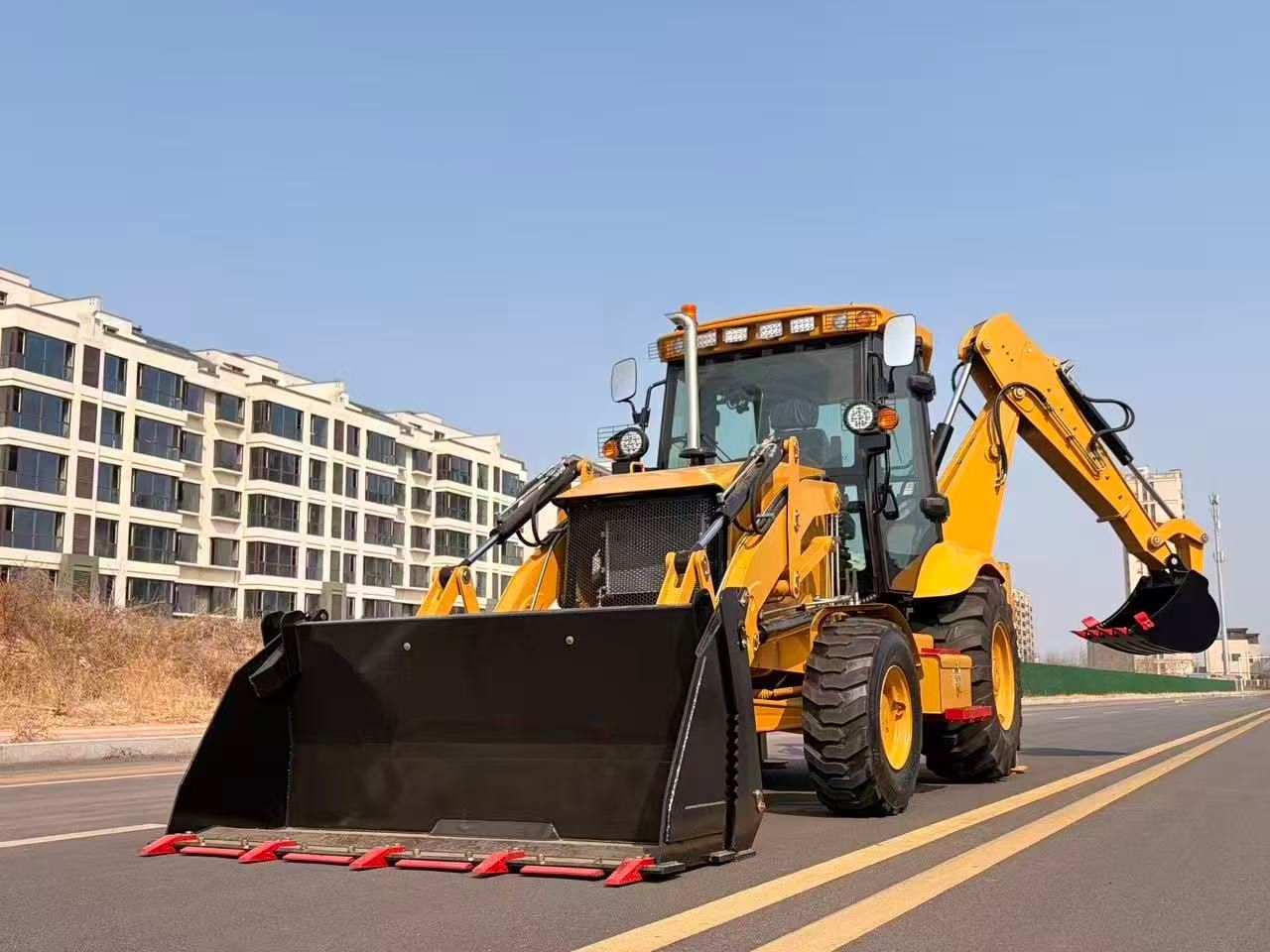
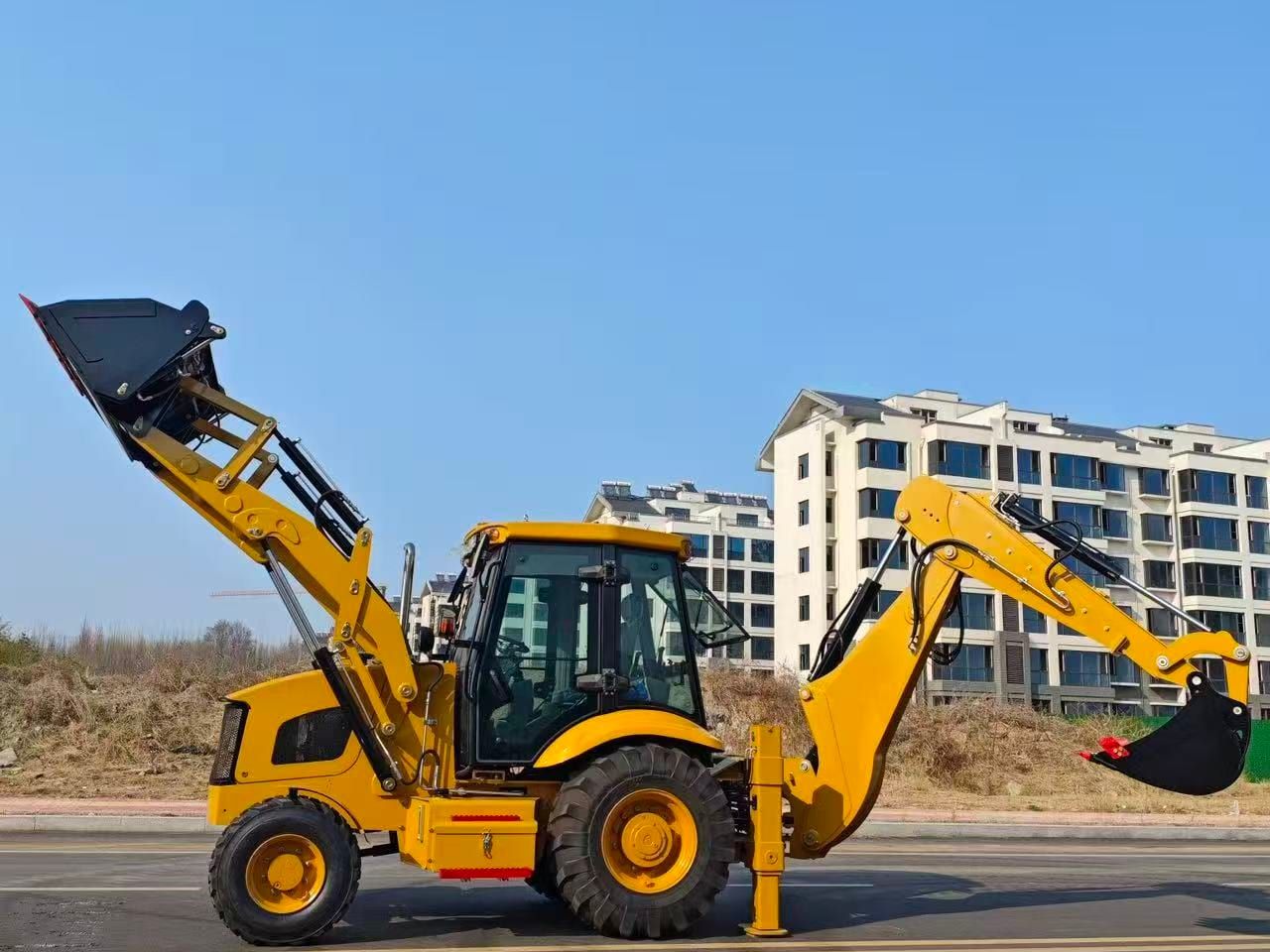
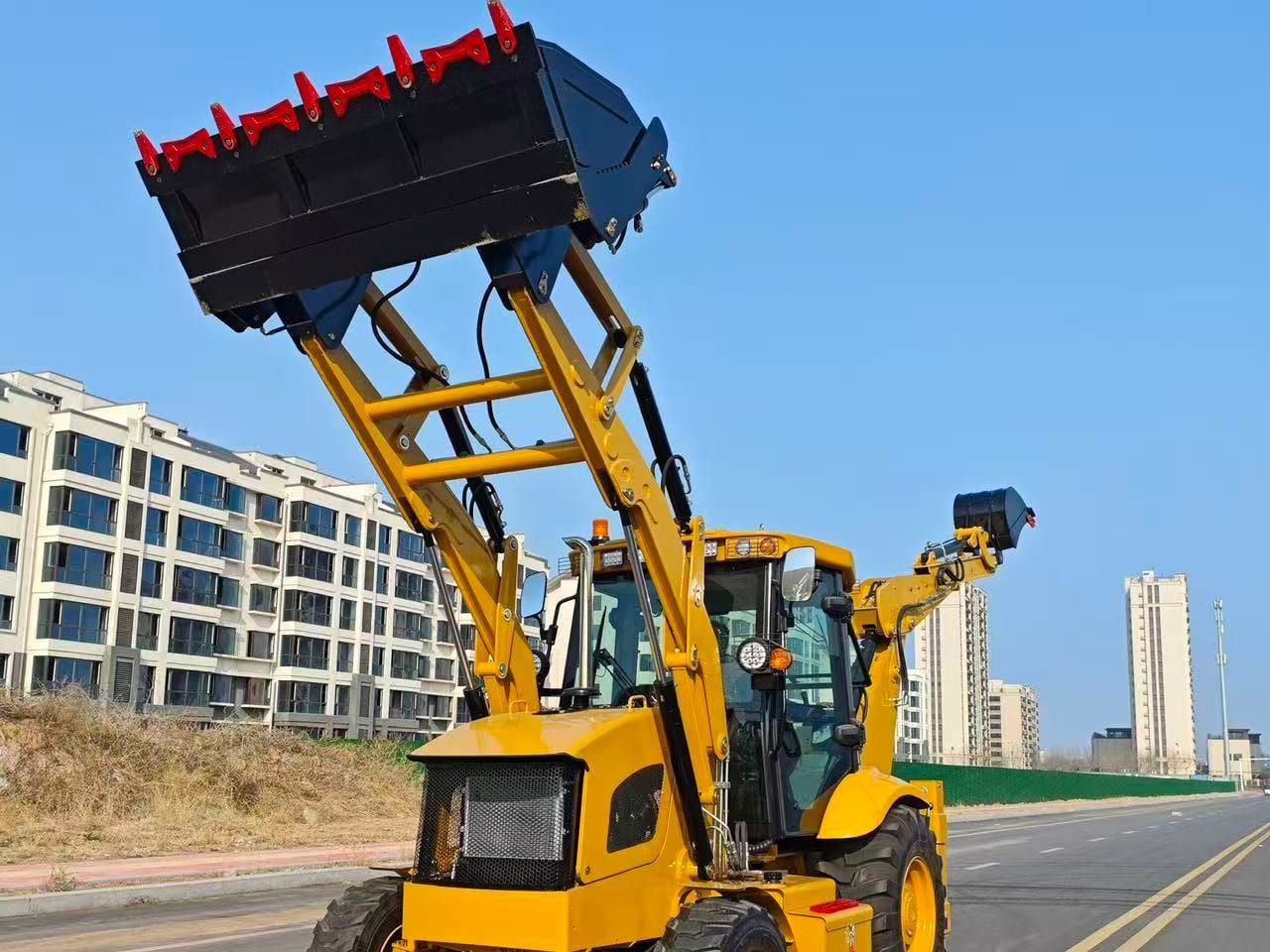
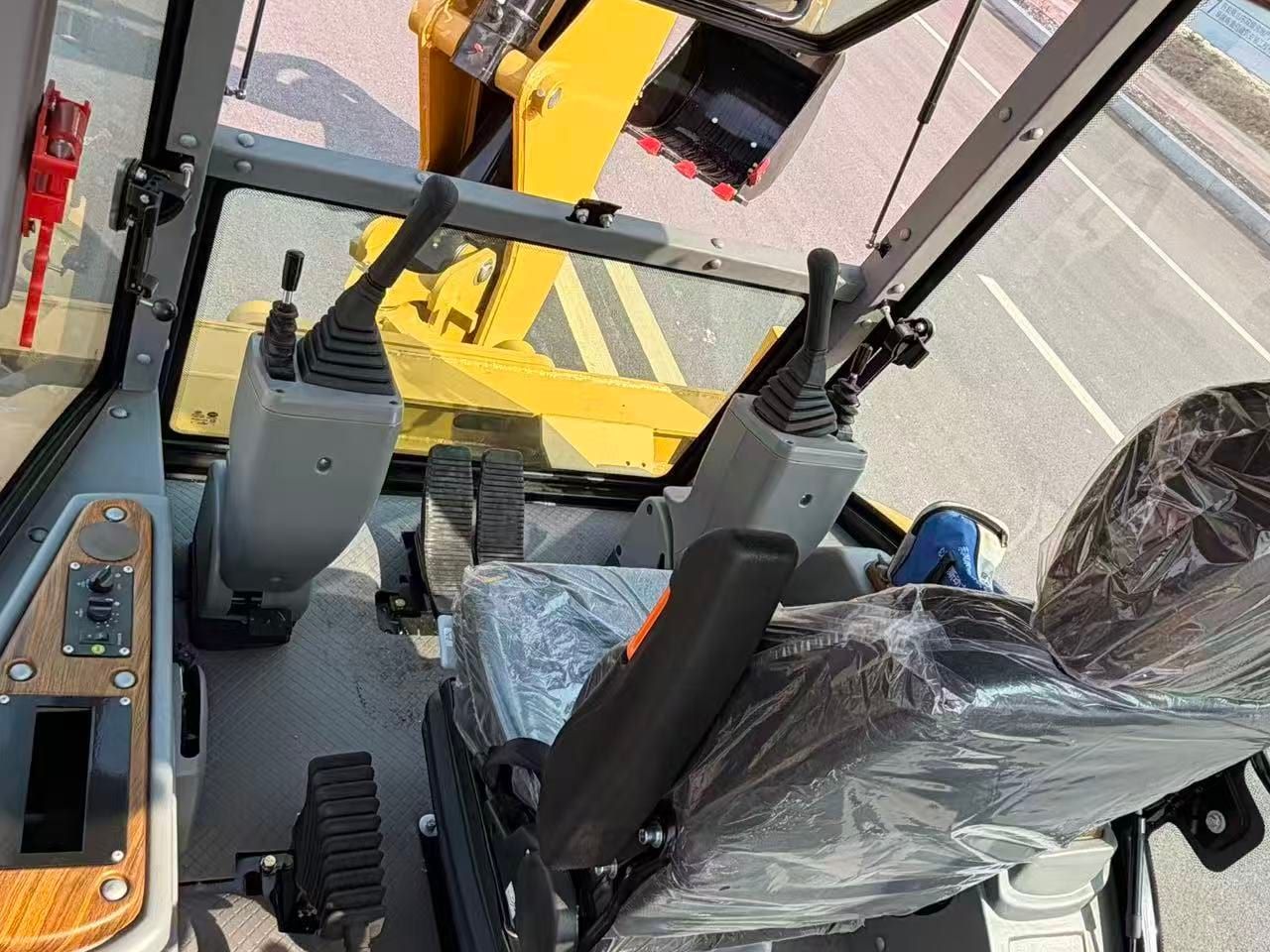
What this machine is
The LJ3CX-A, a backhoe loader with an operating weight of 7,500 kg. At the front, a 1.5 m³ loader bucket rated to lift 2,800 kg, dumping at 2800 mm. At the rear, a 0.3 m³ backhoe that digs to 4100 mm, or to 5000 mm with the extendable dipper, and swings through 190°.
It drives through a power-shift gearbox, 4 forward and 4 reverse, with a YJ280 torque converter, up to 30 km/h. The engine is your choice of three: Yunnei YN38 Turbo at 76 kW as standard, Cummins 4BT3.9-C100 at 75 kW or Yuchai YCD4J22T-115 at 85 kW.
Transport size is 7.60 × 2.26 × 2.89 m, which is 50 m³ on the vessel.
What it is used for
Municipal work. Water and sewer repairs, drains, kerbs, clearing and loading spoil, all in one visit with one operator.
Utilities. Trenching for water mains, power and telecom cables, then backfilling the same trench.
Farms. Digging drainage ditches and water points, loading feed, manure and harvest, and clearing ground.
Small builders. Foundations, site clearance and loading trucks on jobs too small to justify both an excavator and a loader.
Why one machine does the work of two
On a small job, a dedicated excavator and a dedicated loader spend most of the day waiting for each other, and both have to be moved to site. A backhoe loader replaces both. The operator digs with the backhoe, turns the seat and backfills with the loader.
It also moves itself. At 30 km/h on its own tyres, the LJ3CX-A drives from one job to the next with no low-bed and no driver waiting. For a council or a utility with many small jobs across a district, that is where most of the saving comes from.
The outriggers matter. The rear H-type outriggers adjust up and down independently, so the machine sits level on a slope or a road edge before it digs. A level machine digs straighter and is safer. Always set them on firm, load-bearing ground.
The side shift. The backhoe moves sideways across the rear of the machine, so it can dig close to a wall, a fence or a kerb without the whole machine being in the way.
Condition, and what we do before it ships
Through our own workshop before it loads, with each stage photographed.
The pins and bushes. A backhoe has many joints, and play in them makes the digging imprecise. Ask for a video of the backhoe working through its full swing.
The outriggers and the swing. Both should hold firm under load with no drift.
The engine plate. Three engines are offered on this model. Ask us for the plate so you know which one you are buying.
Shipping it
50 m³, calculated from the transport dimensions. A compact machine for what it does. Loaded at our yard in Tangshan, shipped through Tianjin Port.
What to tell us
The jobs you do most, how deep you need to dig, and how far the machine travels between jobs. Which engine your local mechanics support. Your destination port and the quantity.
Questions buyers ask about this machine
What is a backhoe loader for?
Jobs that need both a loader and a digger but not all day of either. It digs a trench with the backhoe, turns round in the seat and backfills it with the loader, then drives itself to the next job. Municipal crews, water and power utilities, farms and small builders buy it for exactly that.
How deep does it dig?
4.1 m with the standard dipper, 5.0 m with the extendable dipper extended. That covers water mains, drainage, septic tanks, cable routes and most foundation footings.
Which engine should I choose?
The Yunnei YN38 at 76 kW is standard. The Cummins 4BT3.9 at 75 kW is the option if Cummins support is stronger than Yunnei where you work, which it is in many African countries. The Yuchai at 85 kW gives the most power. Tell us your country and we will say which one your mechanics can keep running.
Can it drive on the road?
Yes. It has a power-shift gearbox with four speeds each way and a top speed of 30 km/h, so it drives between sites instead of waiting for a trailer. Check your local rules for registering a machine on the road.
What this backhoe loader is used for
Full specification
Only what the catalogue actually prints. A row that is not here is a figure we do not have yet. Ask, and we confirm it against the machine in our yard rather than guess at it.
- Power
- 75–85 kW by engine (Yunnei 76 kW standard)
- Engine
- Yunnei YN38 Turbo (standard) · Cummins 4BT3.9-C100 · Yuchai YCD4J22T-115
- Gearbox
- Power shift, 4 forward + 4 reverse
- Shipping volume
- 50 m³(calculated from the dimensions)
- Overall dimensions
- 7.60 × 2.26 × 2.89 m
- Tyres
- 14-17.5 front / 19.5L-24 rear
- Operating weight
- 7,500 kg
- Loader bucket capacity
- 1.5 m³
- Rated lift capacity
- 2,800 kg
- Loader dump height / reach
- 2800 / 1062 mm
- Backhoe bucket capacity
- 0.3 m³
- Maximum dig depth (standard / extendable dipper)
- 4100 / 5000 mm
- Backhoe bucket swing
- 190°
- Backhoe breakout force
- 46.5 kN
- Maximum tractive force
- 39 kN
- Maximum travel speed
- 30 km/h
- Turning radius
- 6581 mm (steering angle ±36°)
- Wheelbase
- 2250 mm
- Minimum ground clearance
- 300 mm
- Hydraulic system pressure
- 22 MPa
- Loader raise / lower / dump time
- 5.4 / 3.1 / 2.0 s
- Torque converter
- YJ280, single-stage, oil-cooled
- Service brake
- Air-over-hydraulic disc
- Rear outriggers
- H-type, each adjusts independently
Shipping this machine
Sea freight is charged on volume, not weight. This one occupies 50 m³. Loaded at Tangshan City, Hebei, shipped through Tianjin Port. What CBM does to your bill → Where we ship from →