XCMG · Motor graders
XCMG GR1803 Motor Grader
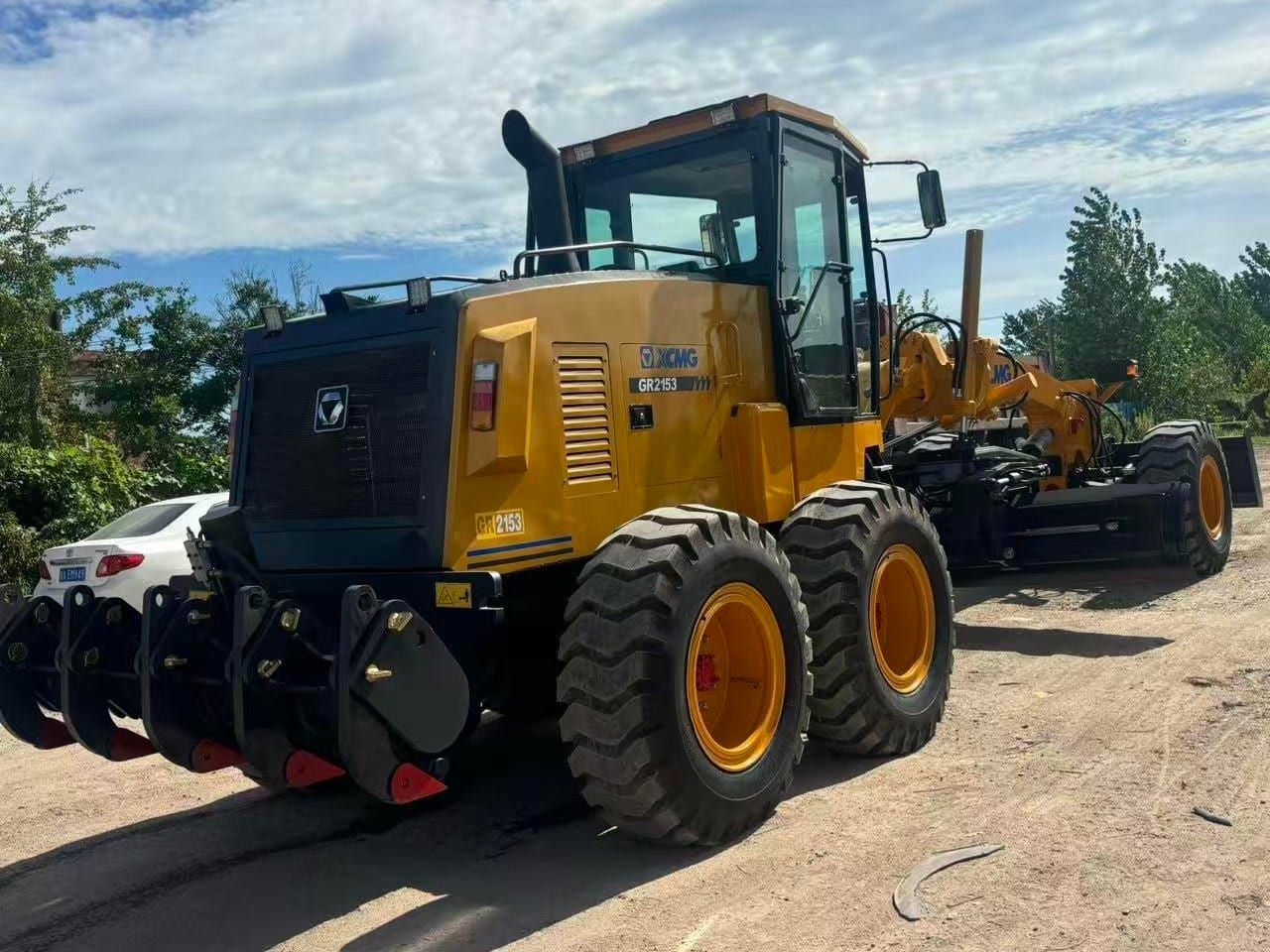
A four-metre blade and a top gear of 38 km/h. The grader that travels to the next road on its own wheels.
197 hp
82 m³shipping volume
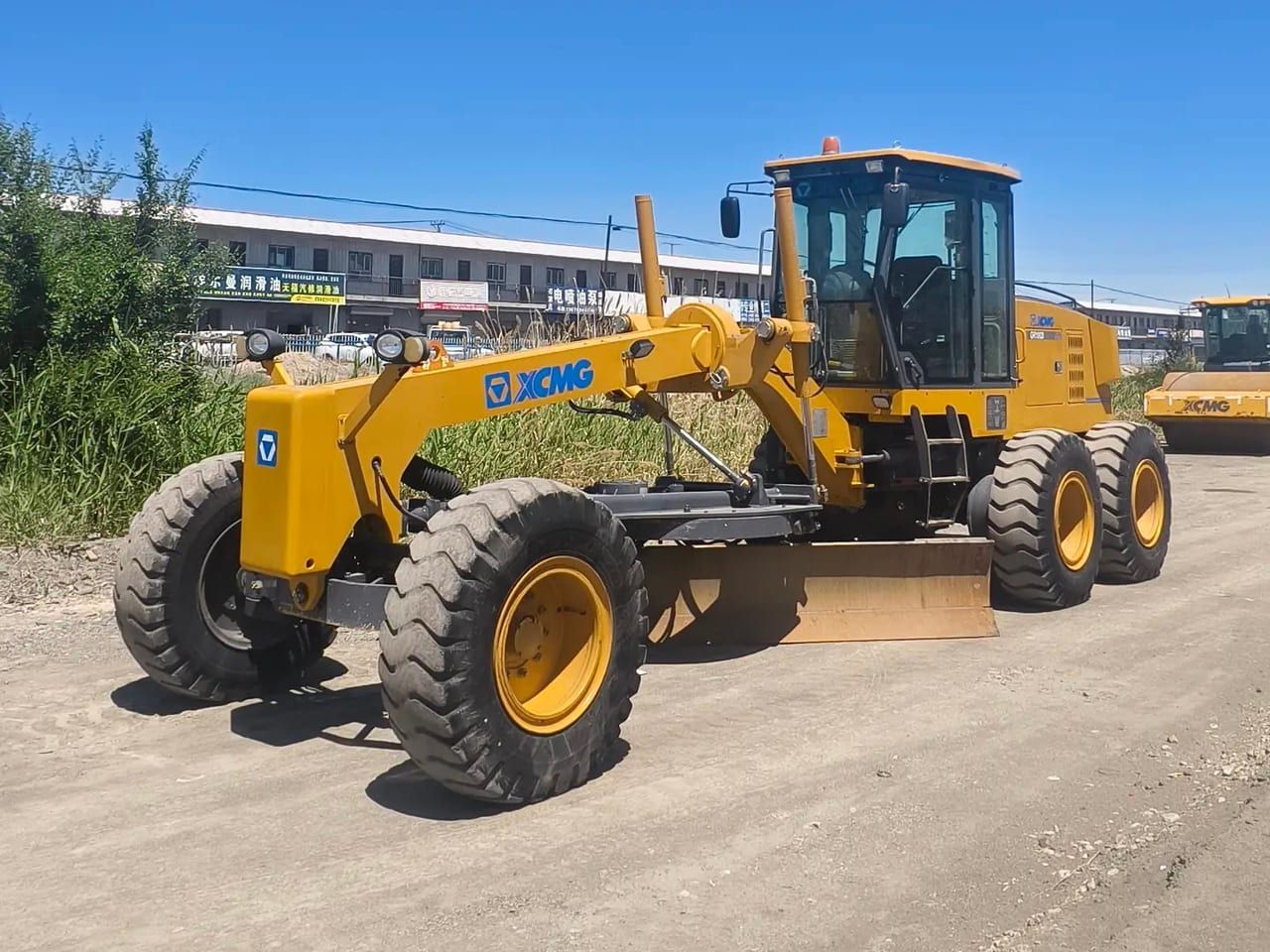
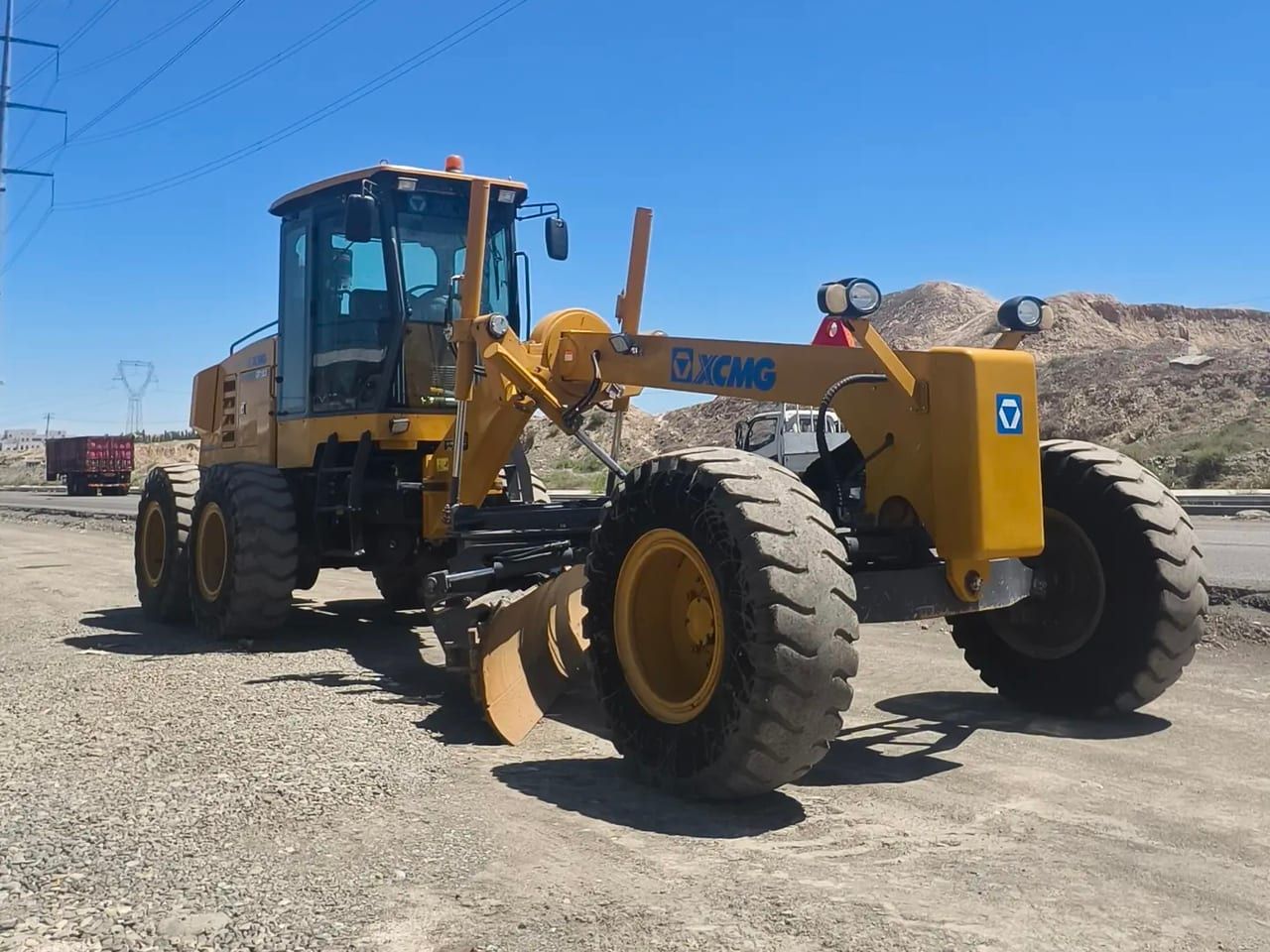
What this machine is
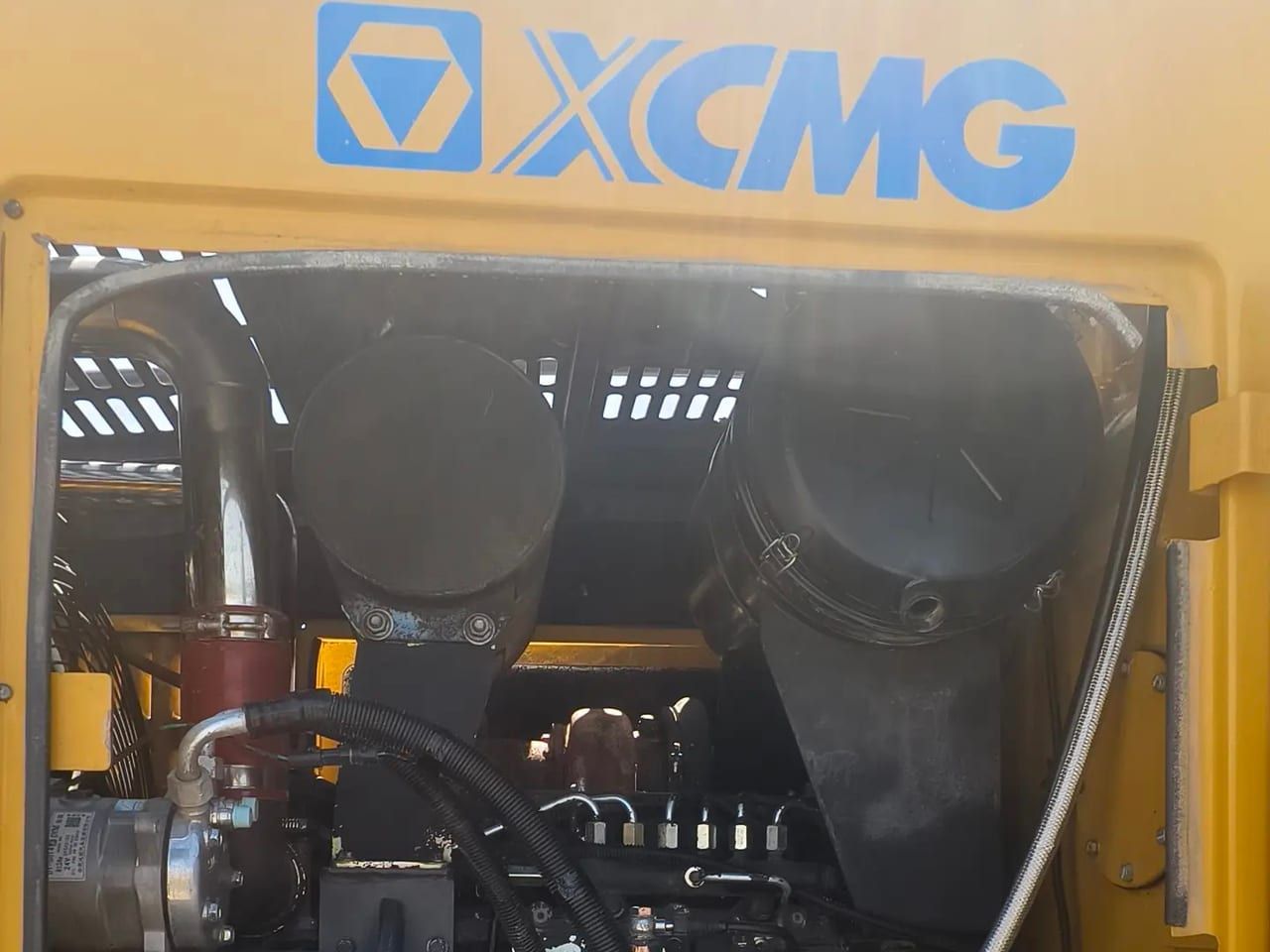
An XCMG GR1803 motor grader producing 147 kW (197 hp) at 2300 rpm from an SC9DK190.2G3 diesel. Operating weight is 15,400 kg. The moldboard measures 3965 × 610 mm and cuts to 500 mm below ground level.
It has six forward speeds: 5, 8, 11, 19, 23 and 38 km/h. Overall it measures 8.90 × 2.625 × 3.47 m, which is 82 m³ on the vessel.
What it is used for
Gravel road maintenance. Unsealed roads need regrading after every rainy season, and many need it more often than that.
Rural and feeder roads. Forming new roads on light to medium ground, cutting side drains and shaping the crown.
Site levelling. Building platforms, school and clinic sites, yards and car parks, where the finish matters more than the cutting force.
Township streets. Municipal work, where the machine moves between many small jobs in one day.
A grader built for distance
Most of what a road maintenance grader does is travel. A council or a contractor with fifty kilometres of gravel road to maintain spends hours every week moving the machine from one section to the next.
That is where the GR1803’s gearbox earns its place. The two low gears give the control needed for fine grading. The 38 km/h top gear means the machine drives to the next section rather than waiting for a low-bed. Over a season that is a real saving in fuel, in trailer hire and in hours.
The moldboard. A blade of nearly four metres covers a full lane with the blade angled for spreading. At 610 mm high it carries a good windrow of material across the road without spilling over the top.
Lighter, and cheaper to run. At 15.4 tonnes and 197 hp the GR1803 burns less fuel than the bigger graders and wears less on its tyres. On maintenance work, where the ground has already been formed once, the lighter machine does the job.
Condition, and what we do before it ships
Through our own workshop before it loads, with each stage photographed.
The gearbox. Ask for a video of the machine going up through all six gears. A grader that will not hold top gear loses the advantage it was bought for.
The moldboard edges and end bits. These are wear parts. Ask what life is left on them and whether spares come with the machine.
The steering and the frame articulation. Play in the front axle or the frame joint makes a grader difficult to hold on line.
Shipping it
82 m³, calculated from the dimensions. Being self-propelled, it can drive aboard a ro-ro vessel with no crane at either end.
Loaded at our yard in Tangshan, shipped through Tianjin Port.
What to tell us
How many kilometres of road you maintain and whether they are gravel or earth. The distances between work sites. Your destination port and the quantity.
Questions buyers ask about this machine
Who is the GR1803 for?
Municipal councils, rural road programmes and contractors who maintain long lengths of gravel road. It is lighter and more economical to run than the big graders, and it covers ground quickly between jobs.
Why do the six forward gears matter?
The low gears, 5 and 8 km/h, are for cutting and fine grading. The high gears, up to 38 km/h, are for driving between work sites. On a rural maintenance programme a grader can spend as much time travelling as working, so a usable road speed is a real saving in fuel and hours.
How wide does it grade?
The moldboard is 3965 mm long and 610 mm high. Angled for spreading, it still covers a full traffic lane in a pass or two, which is the width most rural road work needs.
GR1803 or GR2153?
Choose the GR1803 for maintenance grading, gravel roads and platform work. Choose the heavier GR2153 when the job is cutting new roads through hard ground or keeping a mine haul road open under heavy traffic.
What this motor grader is used for
Full specification
Only what the catalogue actually prints. A row that is not here is a figure we do not have yet. Ask, and we confirm it against the machine in our yard rather than guess at it.
- Power
- 147 kW (197 hp) @ 2300 rpm
- Engine
- SC9DK190.2G3
- Shipping volume
- 82 m³(calculated from the dimensions)
- Overall dimensions
- 8.90 × 2.625 × 3.47 m
- Operating weight
- 15,400 kg
- Moldboard dimensions
- 3965 × 610 mm
- Blade maximum cutting depth
- 500 mm
- Forward speed gears
- 5, 8, 11, 19, 23, 38 km/h
Shipping this machine
Sea freight is charged on volume, not weight. This one occupies 82 m³. Loaded at Tangshan City, Hebei, shipped through Tianjin Port. What CBM does to your bill → Where we ship from →