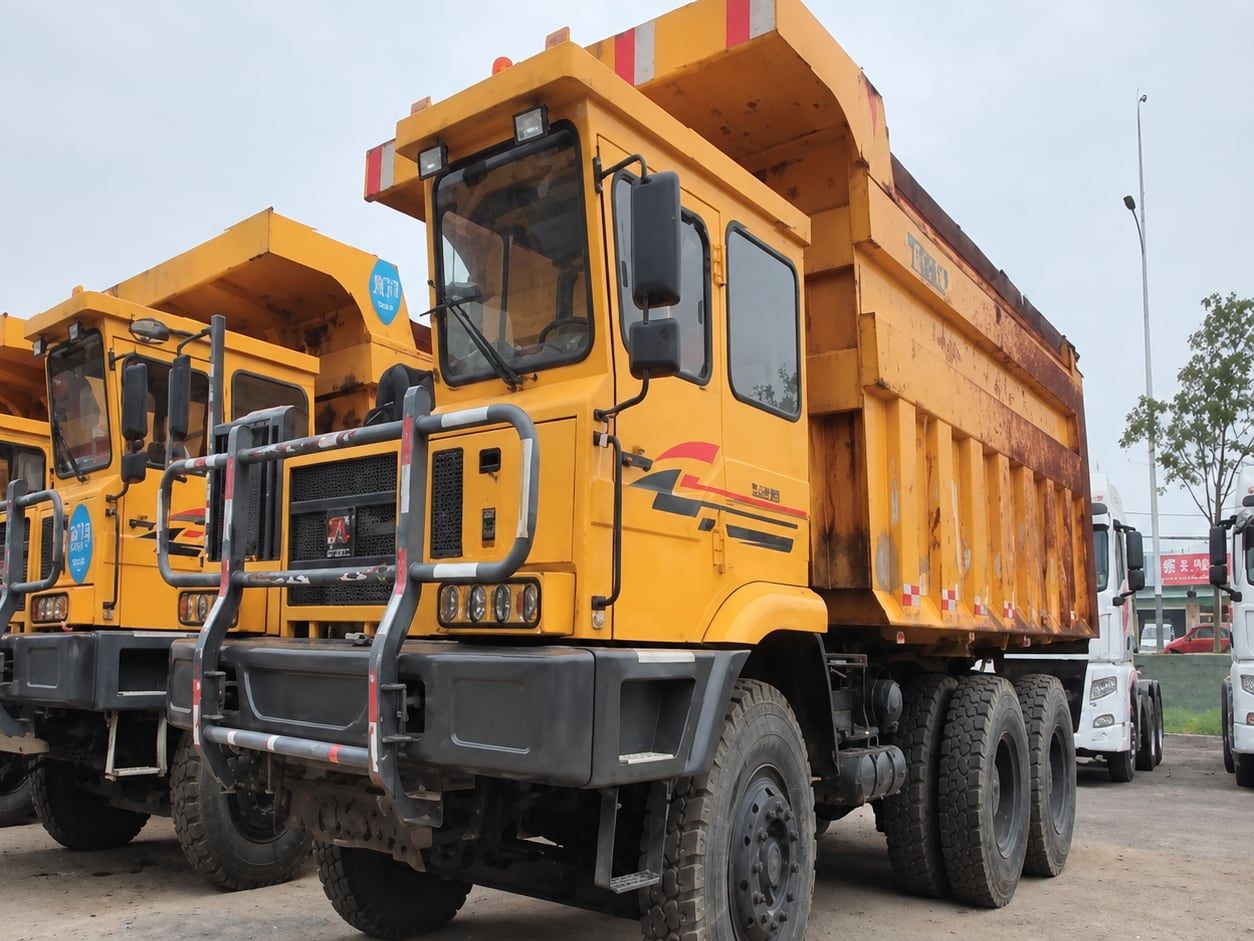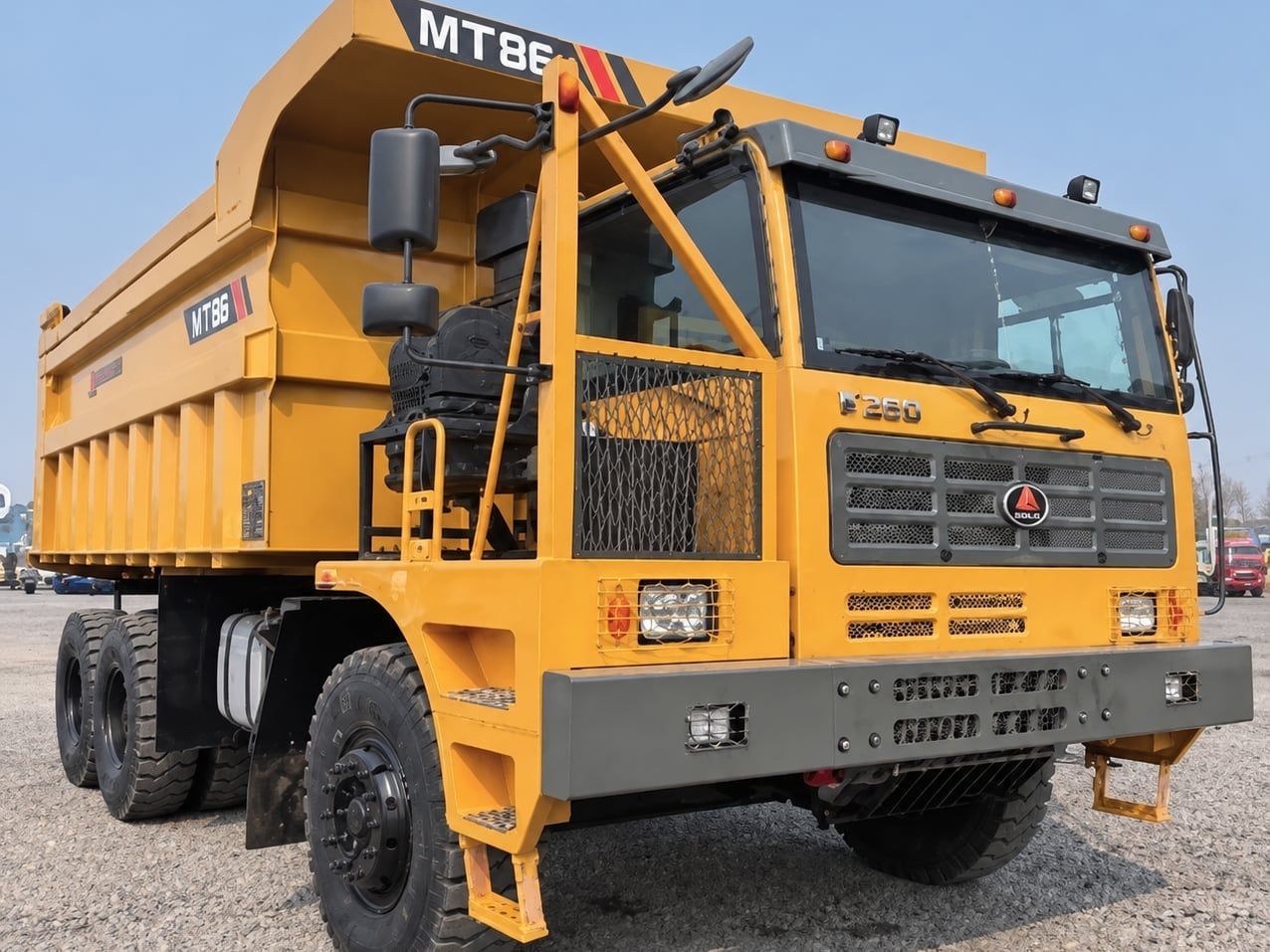
SDLG
Wide-Body Mining Truck
- Power
- 460 hp
- Handles
- 40–60 t payload
- Shipping volume
- 125 m³(calculated)
- Years
- 2022–2025
LGMG · Mining trucks
Five hundred and thirty horsepower and seventy tonnes in the body. The wide-body for a pit that has outgrown forty.
530 hp · 6×4
145 m³shipping volume
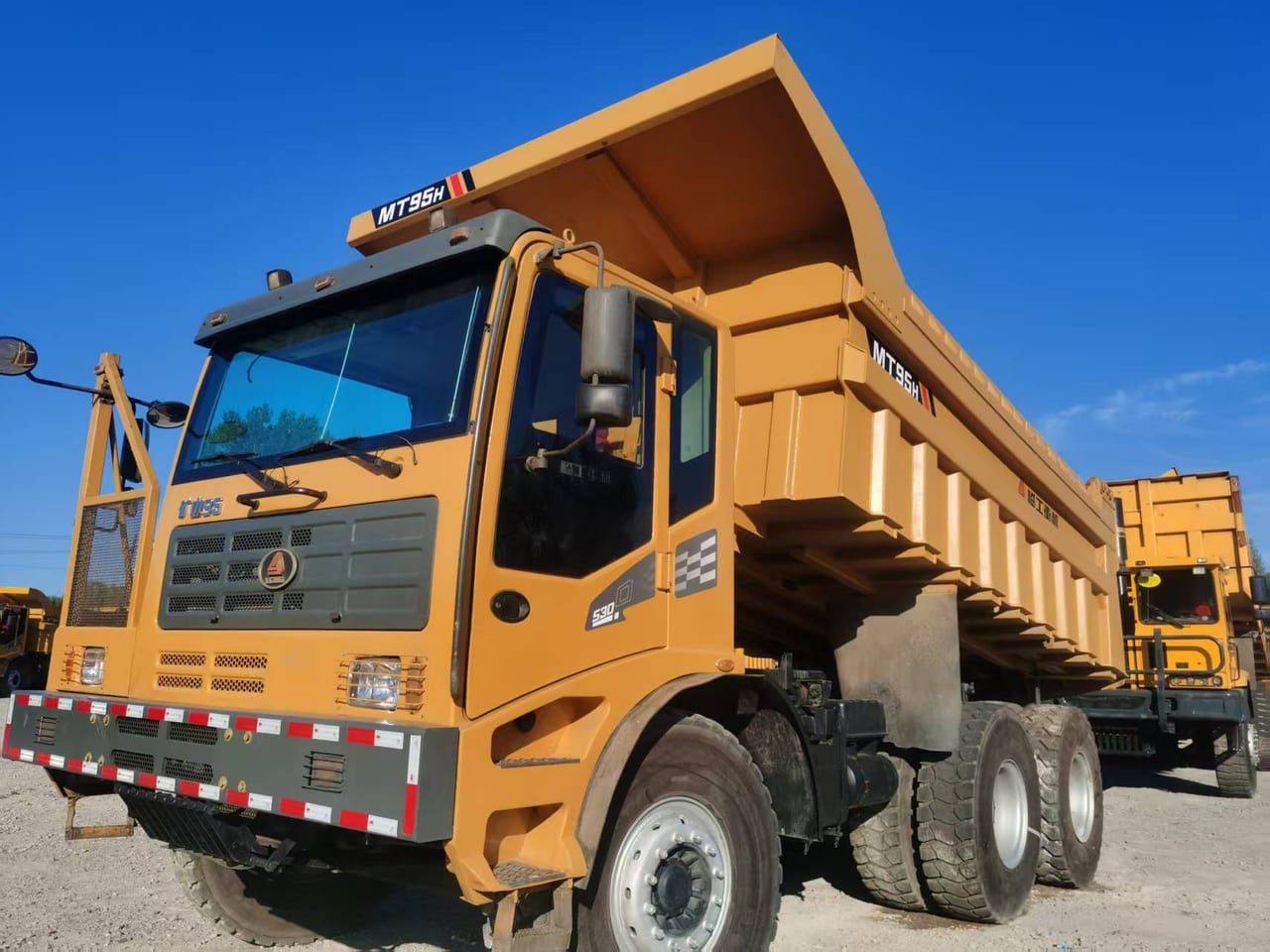
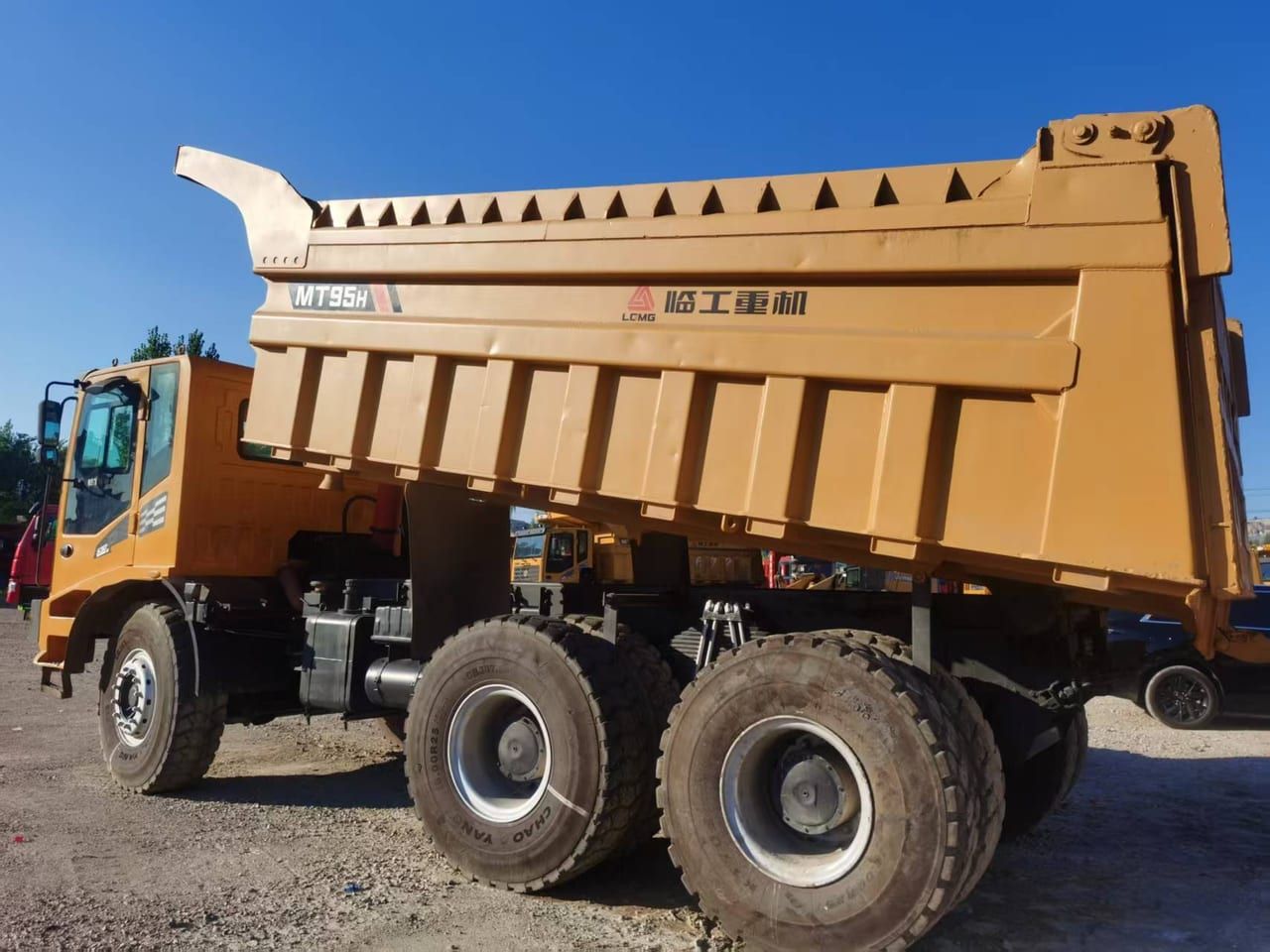
The LGMG MT95H, a 6×4 wide-body mining truck. A Weichai WP13G530E310 engine produces 530 hp through an 8-speed manual gearbox (8DS260A). It carries 60 to 70 tonnes in a body of 33 m³ heaped, on 16.00-25 / 16.00R25 tyres.
Curb weight is 35,000 kg and gross weight 105,000 kg. Top speed is 40 km/h. Overall it measures 9.20 × 3.67 × 4.29 m, which is 145 m³ on the vessel.
Open-pit mining. Hauling ore and waste from the face to the crusher, the stockpile or the dump, shift after shift.
Quarries. Moving blasted rock to the primary crusher on a short, rough circuit.
Large earthworks. Dams, mine infrastructure and heavy civil jobs where the haul stays off public roads.
A wide-body mining truck sits between a road tipper and a rigid dump truck. It has a strong, wide frame and body built for the pit, but it is simpler and cheaper to buy and maintain than a full rigid haul truck. That is why it is a common pit truck on African mines and quarries.
The MT95H is the heavier class. Our SDLG and Tonly wide-bodies carry 40 to 60 tonnes. This one carries 60 to 70, with 530 hp to move it. On a pit with the tonnage to fill it, fewer trucks move the same material, and every truck you do not buy is a driver, an engine and a set of tyres you do not pay for.
Match it to the excavator. A 70-tonne body wants a 35-tonne class excavator loading it. Paired with a smaller machine, the truck waits at the face and the extra capacity is wasted.
The body. 33 m³ heaped, with a rock guard over the cab and a hoist sized for the load. Dense ore fills the weight before the volume; light overburden fills the volume first. Tell us the material and we will tell you which limit you hit.
Through our own workshop before it loads, with each stage photographed.
The frame and the body. Look for cracks and weld repairs around the body pivots and the hoist mounting. Ask for close photographs.
The tyres. 16.00-25 tyres are a major running cost on any mining truck. Ask for tread depth on all ten.
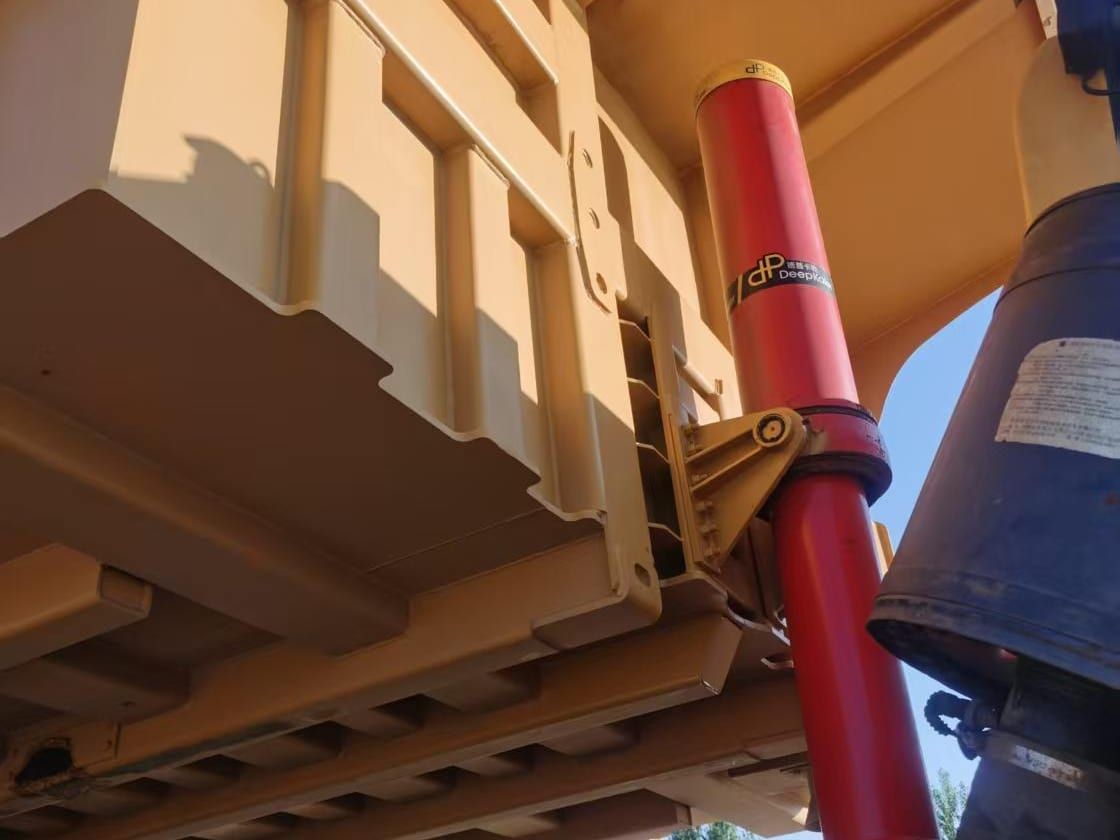
The hoist cylinder. Ask for a video of the body raising and lowering fully loaded. A slow or jerky hoist means worn seals or a tired pump.
145 m³, calculated from the dimensions. Loaded at our yard in Tangshan, shipped through Tianjin Port.
The material you haul, the length and grade of your haul road, and the excavator that will load it. How many trucks. Your destination port.
It is the heavier class. Those two carry 40 to 60 tonnes; the MT95H carries 60 to 70, with 530 hp against their 460. If your excavator and your haul road can feed a bigger truck, fewer trucks move the same tonnage, which means fewer drivers and fewer engines to maintain.
It is built for the mine, not the highway. At 3.67 m wide and 105 tonnes gross it is over the width and axle limits of most road networks, and its top speed is 40 km/h. It travels from the port to the mine as an abnormal load, planned for the route.
A 35-tonne class excavator such as the Hitachi ZX350-5G or the SANY SY365H-9 on our site. A smaller excavator will fill it, slowly, and the truck will spend its shift waiting.
145 m³, calculated from 9.20 × 3.67 × 4.29 m. A mining truck is a big, high box and sea freight is charged on that box. Get the freight quoted before you decide the quantity.
Only what the catalogue actually prints. A row that is not here is a figure we do not have yet. Ask, and we confirm it against the machine in our yard rather than guess at it.
Sea freight is charged on volume, not weight. This one occupies 145 m³. Loaded at Tangshan City, Hebei, shipped through Tianjin Port. What CBM does to your bill → Where we ship from →
SDLG
Tonly